
Engineered Metal Aerosol Packaging Solutions
Finding a dependable aerosol can supplier remains a critical bottleneck for contract fillers and brand managers who require dimensional precision, consistent pressure tolerance, and pristine surface finishes. When container walls deviate in thickness or neck dimensions fluctuate, filling lines face jamming, improper valve crimping, and packaging failures. Sourcing certified empty aerosol cans addresses these operational vulnerabilities by delivering consistent metal bodies built to withstand internal pressures and chemical formulations across high-volume automated lines.

Product Overview and Structural Characteristics
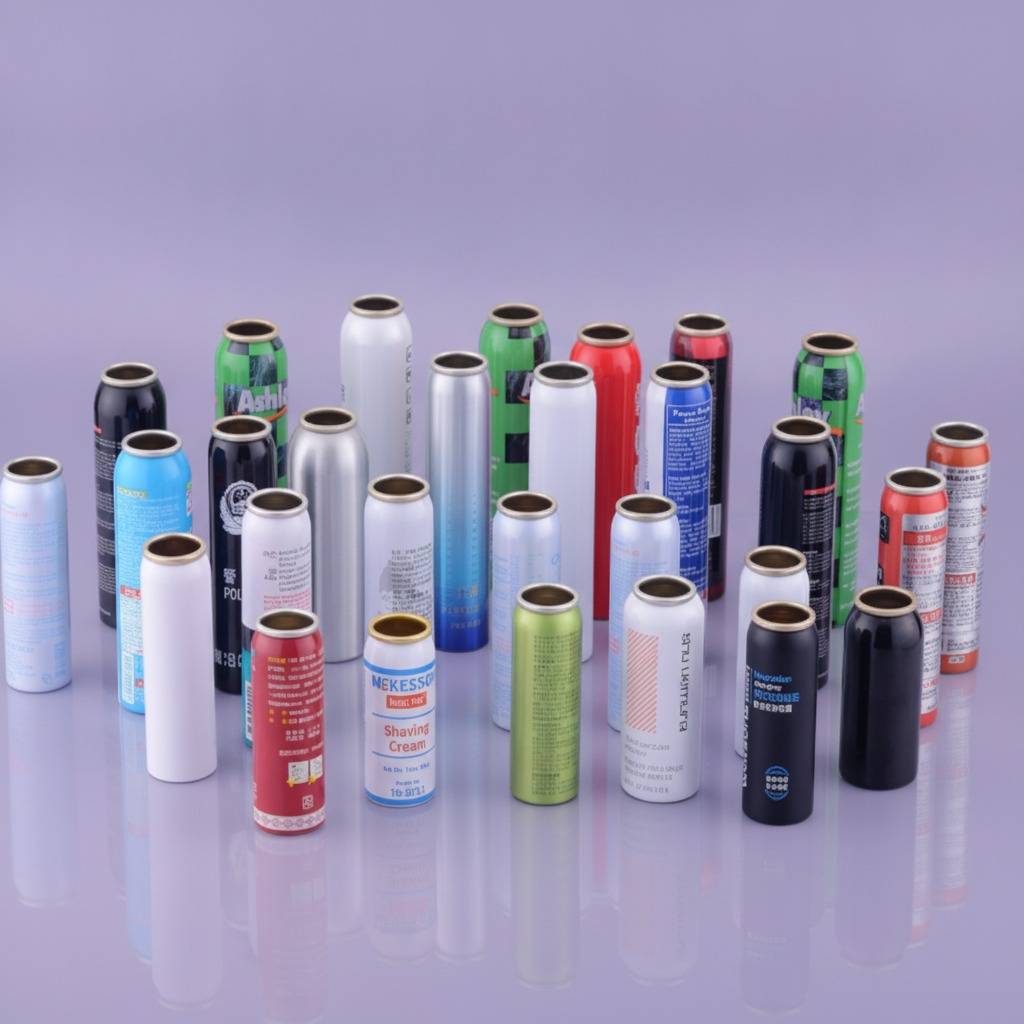
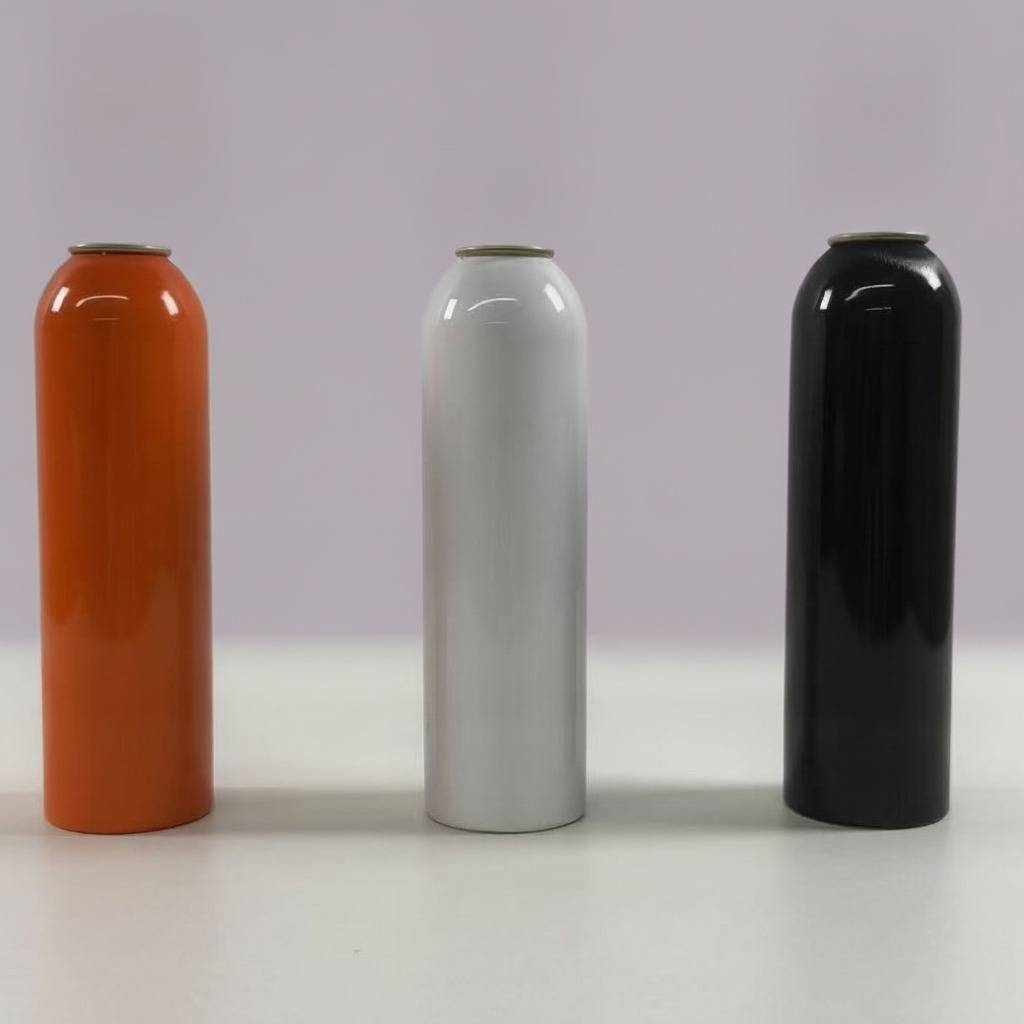
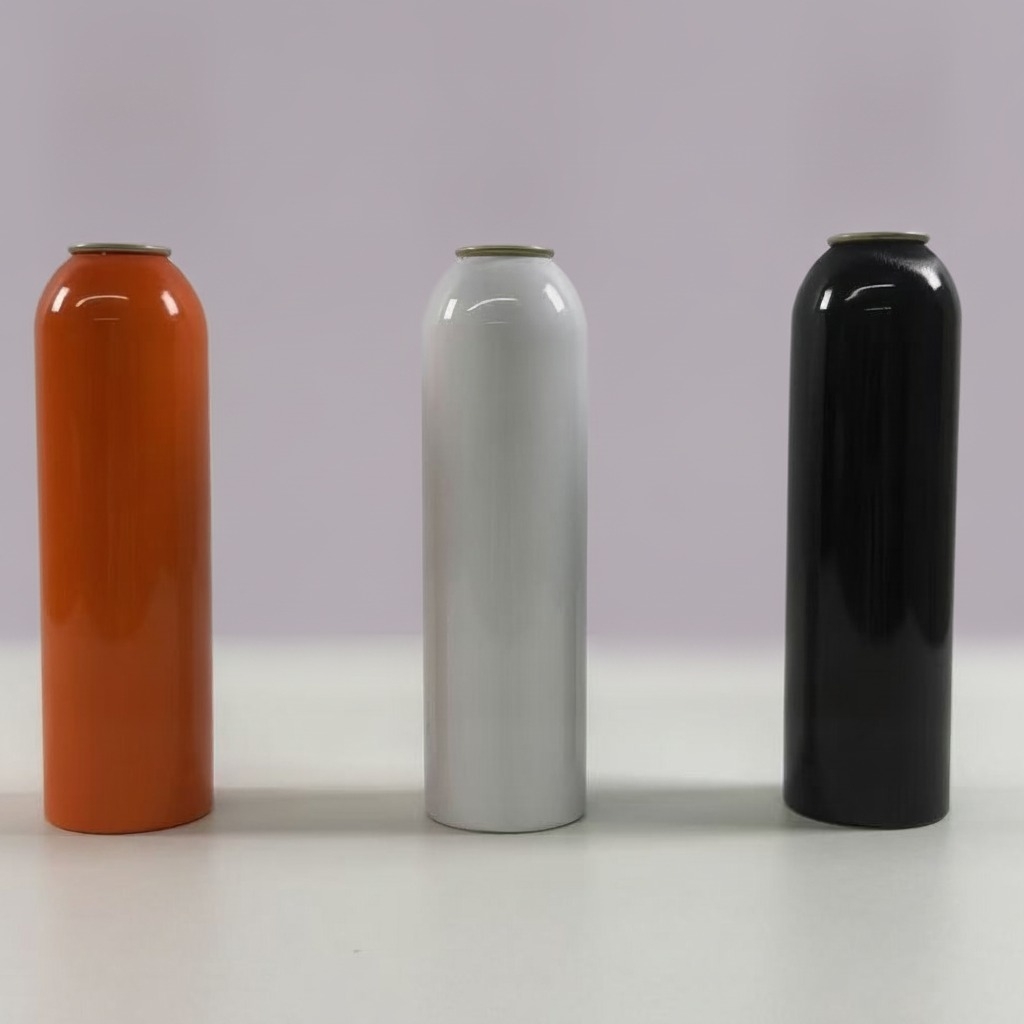
Industrial metal aerosol cans feature a tall, narrow cylindrical profile engineered to balance structural rigidity with ergonomic handling. The packaging body utilizes a seamless or welded cylindrical construction with a rounded shoulder transitioning cleanly to a defined neck opening. This standardized aperture is engineered to interface directly with mounting cups, aerosol valves, and actuator caps.
At the bottom, an engineered base geometry—typically flat or slightly concave depending on internal pressure specifications—provides a stable standing surface for high-speed conveyor transport and retail display. While standard body heights and diameters follow international packaging conventions, the specific interior coatings, pressure ratings, and exact alloy compositions must be specified according to propellant type and product chemistry.
Materials, Coatings, and Surface Finishes
Selecting between aluminum aerosol cans and tin-plated steel depends heavily on the chemical properties of the payload, propellant selection, and brand aesthetic requirements. Aluminum configurations, often manufactured via cold impact extrusion, offer seamless monolithic bodies that eliminate longitudinal side seams and provide superior corrosion resistance for specialized formulations. Conversely, tinplate metal aerosol cans provide cost efficiency and high mechanical strength for heavy-duty formulations.
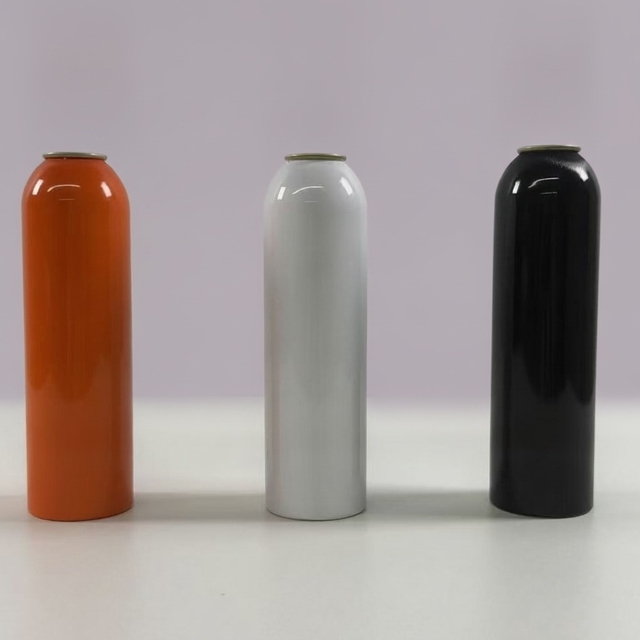
Surface treatment plays a dual role in performance and shelf appeal. Exterior options range from uniform solid base coats—such as high-gloss orange, pristine white, or matte black—to multi-color lithographic printing and tactile lacquers. Internally, protective linings such as epoxy-phenolic, polyamide-imide, or modern BPA-NI (BPA non-intent) lacquers are applied to prevent active liquid ingredients from attacking the metallic substrate. Buyers must evaluate these internal barriers during testing to prevent pitting or liner delamination over extended shelf-life periods.
Manufacturing Processes and Quality Assurance
Producing custom aerosol cans demands tight process controls across several high-speed manufacturing stages. When partnering with a professional aerosol container manufacturer, the production workflow typically encompasses:
- Metal preparation and blanking: Slicing slugs or sheets with controlled metallurgical grain structures.
- Body forming: Drawing or cold impact extrusion that extrudes the metal shell into an exact cylindrical sleeve.
- Trimming and necking: Progressive roller dies shape the upper shoulder and roll the contact rim to precise opening tolerances.
- Coating and curing: High-speed thermal ovens cure internal barrier liners and external decorative base coats.
- 100% in-line pressure and dimensional testing: Automated optical and pneumatic stations check for micro-pinholes, ovality, and neck diameter consistency.
Application Scenarios Across Industries
Metal pressurized packaging serves diverse commercial and industrial sectors, each imposing distinct chemical, structural, and regulatory criteria:
- Personal care aerosol cans: Widely specified for hair sprays, shaving foams, body mists, and deodorants requiring aesthetic finishes and clean spray delivery.
- Cosmetic aerosol cans: High-end skincare mists and sun protection formulations that demand elegant external decoration and certified pure barrier coatings.
- Household aerosol cans: Used for room fresheners, surface disinfectants, starch sprays, and insect control products requiring cost-effective durability.
- Automotive aerosol cans: Formulated for brake cleaners, penetrating oils, degreasers, and spray paints subject to mechanical handling and higher pressure thresholds.
- Pharmaceutical aerosol cans: Specialized metered-dose inhalers and topical sprays subjected to stringent cleanroom fabrication and regulatory compliance.
Procurement and Sourcing Considerations
Navigating global aerosol can procurement requires balancing technical requirements against logistics and regional regulatory standards. Commercial buyers evaluating an aerosol can manufacturer China must evaluate sea freight container packing densities, pallet stabilization methods, and export certifications to prevent denting during international shipping. Meanwhile, working with an aerosol can supplier USA or an aerosol can supplier Europe can shorten lead times for rapid product launches and satisfy regional supply mandates.
Regardless of geography, collaborating with a qualified aerosol can export supplier requires clear technical documentation before placing purchase orders. Purchasing teams should specify the required internal volume, brimful capacity, propellant formulation (liquefied hydrocarbon vs. compressed gas), burst pressure requirements, and capping system specifications.
Request Specifications and Technical Quotations
Whether you require standard unprinted shells or fully branded custom aerosol cans, selecting the right aerosol can manufacturer ensures smooth line operations and consumer safety. Contact our engineering team today to review your formulation requirements, discuss barrier lining compatibility, and request baseline samples for laboratory testing.