
Solving Formulation Degradation with the 30ml Aluminum Airless Bottle
Active skincare compounds, vitamin suspensions, and preservative-free emulsions degrade rapidly when exposed to ambient oxygen and light. For cosmetic chemists and packaging engineers, maintaining active ingredient stability throughout a product's shelf life represents a primary operational hurdle. The 30ml aluminum airless bottle addresses this specific vulnerability by eliminating internal air exposure during dispensing, preventing oxidation while preventing formula dry-out at the nozzle. By replacing conventional dip tubes with a mechanical pressure differential system, this container architecture ensures consistent dosing and near-total product evacuation, solving both formula preservation issues and consumer frustration over wasted residue.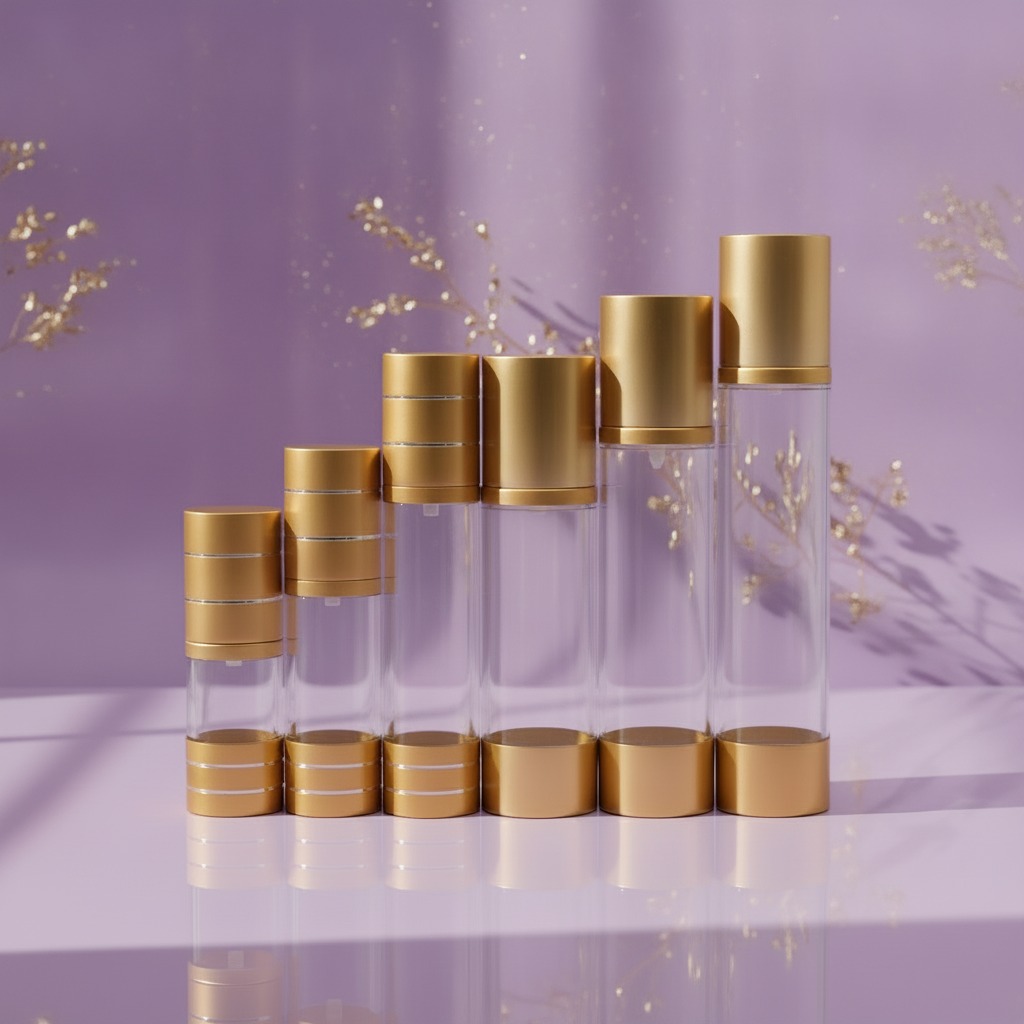
Product Overview and Structural Design
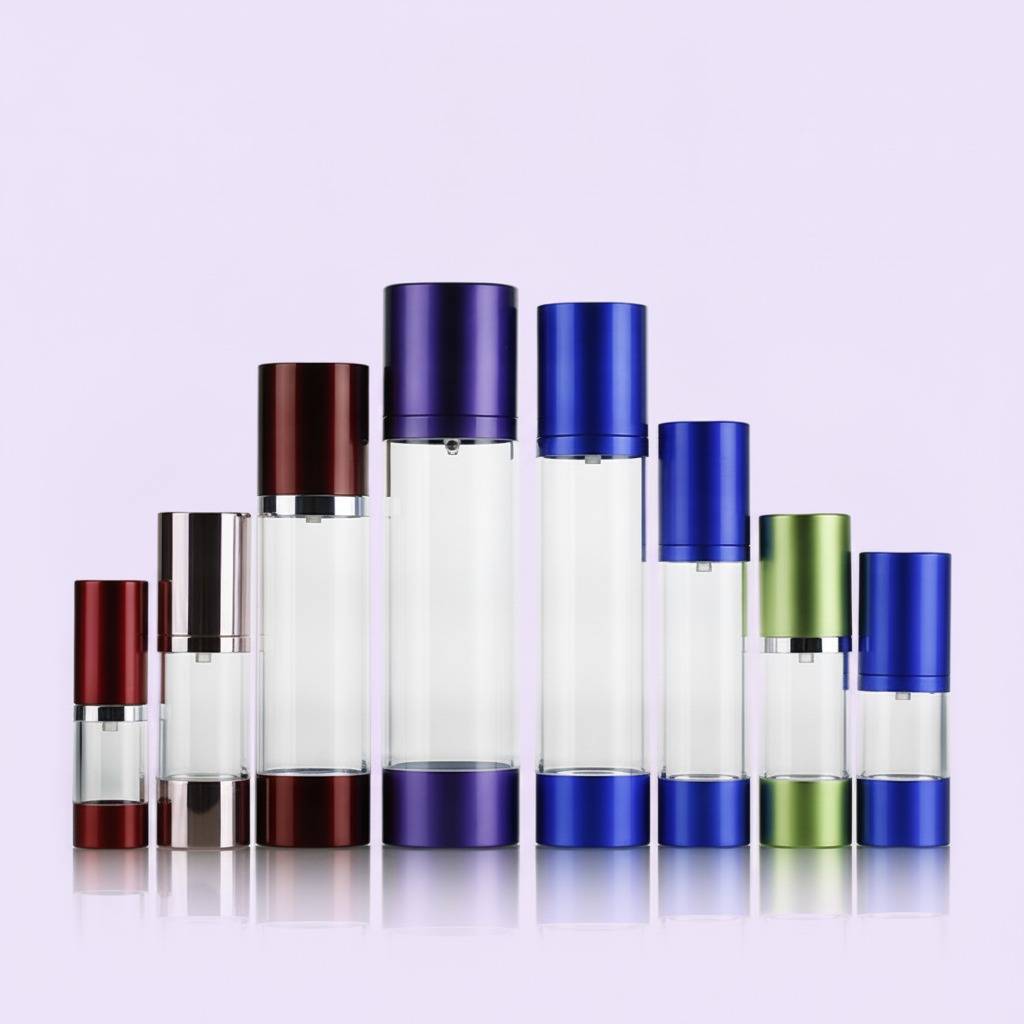
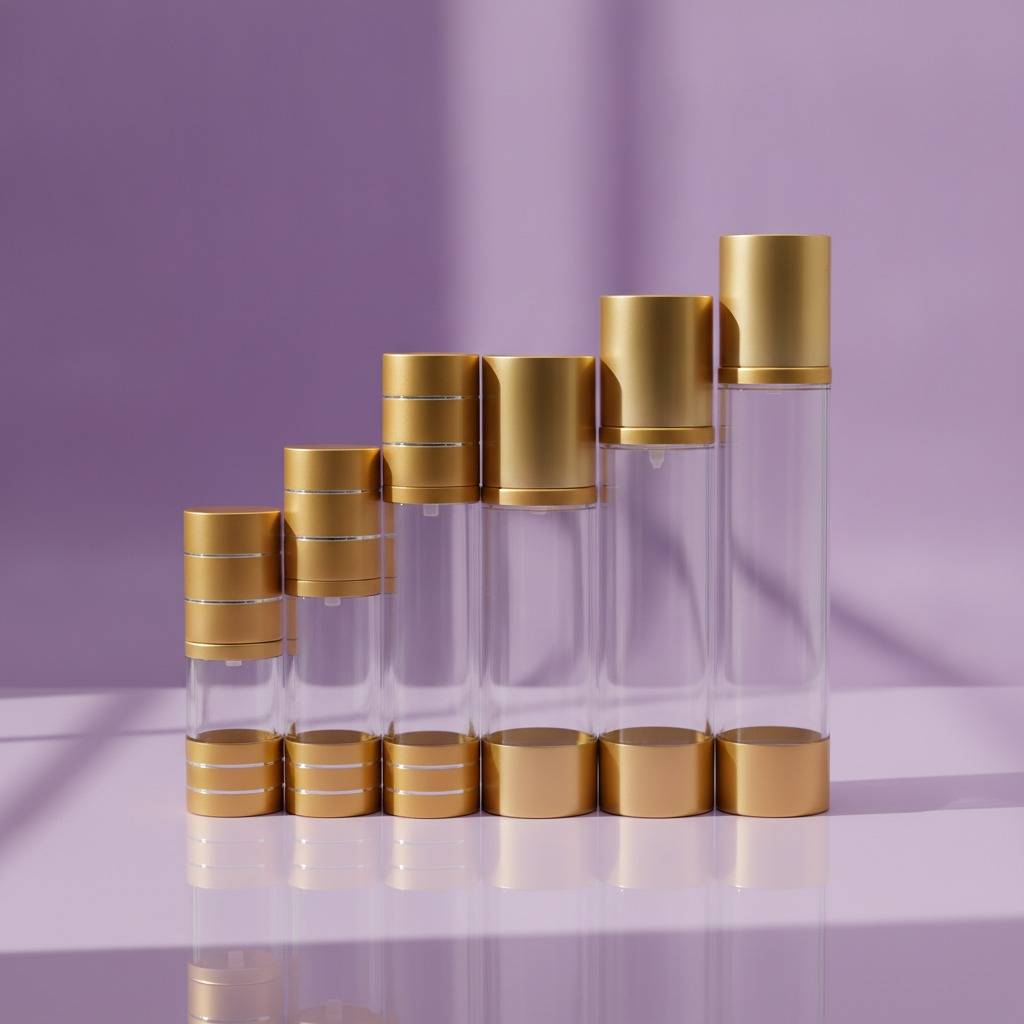
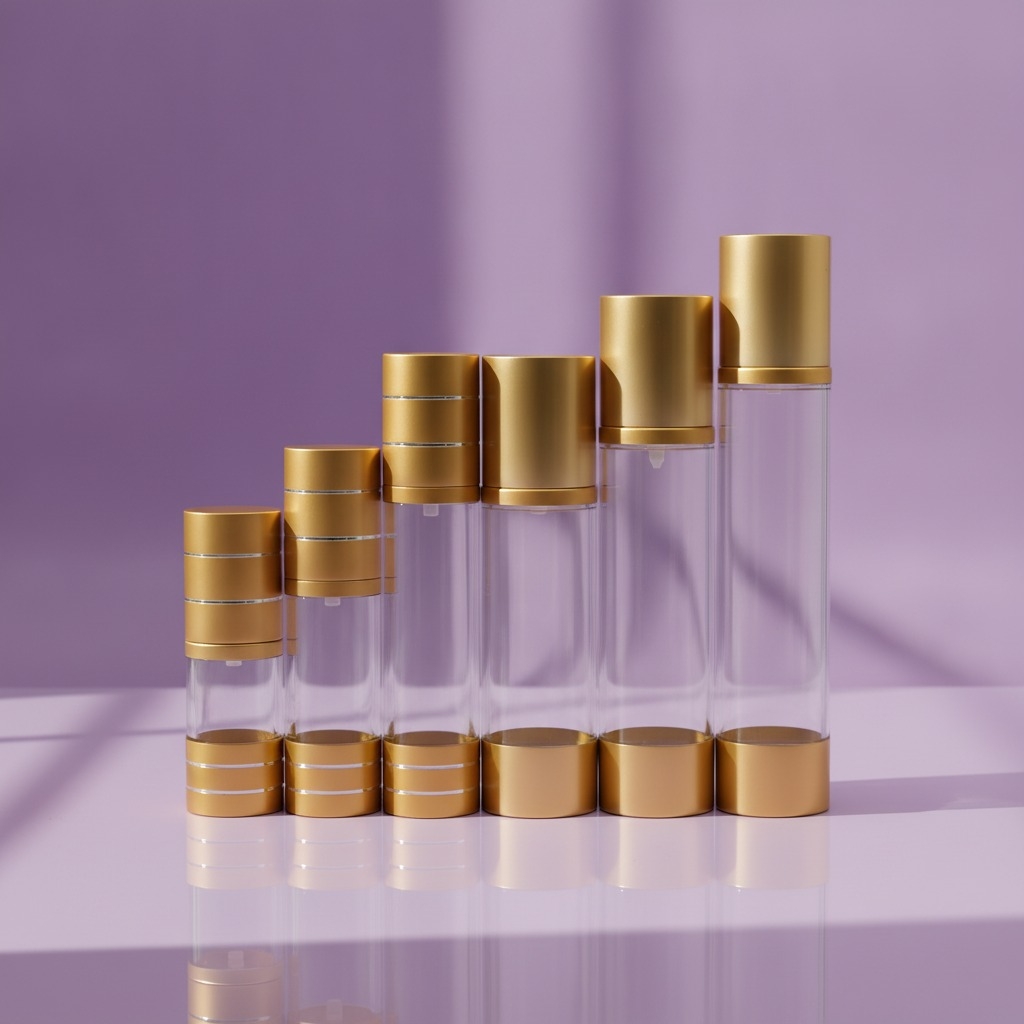
Modern cosmetic lines often require packaging that reconciles structural protection with visual product presentation. The container concept incorporates a multi-piece cylindrical design characterized by flat circular bases, balanced vertical proportions, and integrated metallic-finish collars and caps.
In standard commercial configurations, these multi-component systems feature a transparent inner reservoir paired with an outer metal sleeve or decorative metallic trims. The clear central cylinder permits direct visual monitoring of formulation color and fill level, while outer protective components provide structural rigidity. The closure area is recessed beneath flush-fitting caps, maintaining a continuous silhouette. While precise structural substrates vary—ranging from aluminum outer shells over transparent polymers to metallized overshells—the architecture focuses on combining functional dispensing mechanics with a premium tactile feel.
Key Technical Capabilities
- Atmospheric Isolation: The airless dispenser bottle mechanism operates without back-venting air into the chamber, which drastically decelerates oxidation in sensitive actives.
- Precision Evacuation: Utilizing an ascending internal piston or pouch system, the aluminum airless pump bottle achieves evacuation rates typically exceeding 95%, far outperforming standard dip-tube pumps.
- Targeted Volume: The 30ml format provides an optimal capacity for intensive treatment cycles, serving effectively as a dedicated aluminum serum bottle or specialized aluminum cream bottle.
- Viscosity Accommodation: High-restitution valves allow the system to function as an airless lotion dispenser or airless cream dispenser without clogging or valve stall.
Materials, Construction, and Surface Treatments
Packaging durability and aesthetic alignment depend on matching the correct substrate to the formulation's chemical profile. In this category, packaging components are categorized into fluid-contact layers and external structural housings.
Cylinder and Reservoir Substrates
Internal fluid reservoirs commonly utilize transparent plastics or glass to allow direct formulation visibility. When specifying an aluminum skincare bottle, brands frequently implement an aluminum outer sheath that houses an inner polymer liner. This multi-material approach ensures the formula does not interact directly with raw metal alloys, preventing corrosion or phase separation. Buyers should verify whether internal contact zones require polypropylene, polyethylene, or inert polymer barriers based on alcohol and solvent ratios in their bulk product.
Metallic Shells and Exterior Finishes
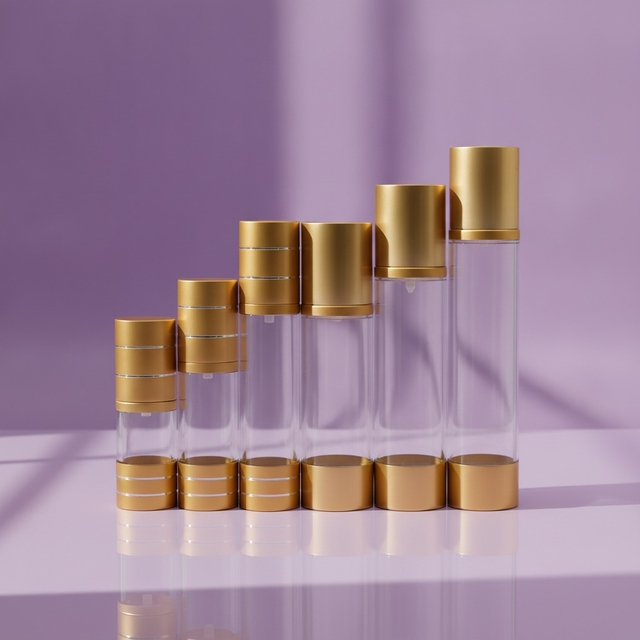
The gold metallic top caps and lower base bands observed across coordinated packaging sets typically originate from specialized surface finishing. For aluminum components, electrochemical anodizing produces deep metallic tones with reliable scratch resistance. Alternatively, metallization techniques applied to rigid polymers replicate the appearance of solid metal while offering lightweight handling. These outer shells are manufactured with unprinted, smooth profiles, serving as neutral substrates for secondary silk-screen printing, hot stamping, or adhesive labeling.
Manufacturing and Assembly Operations
The production of high-end airless cosmetic packaging involves distinct manufacturing phases that require precise dimensional tolerances:
First, external aluminum sleeves and decorative bands are drawn or extruded, followed by chemical polishing and electrolytic anodization to achieve uniform gold or custom metallic finishes. Simultaneously, the central reservoirs are precision injection-molded or stretch-blown to ensure concentricity and wall-thickness uniformity. Piston assembly requires cleanroom environments to avoid particulate contamination that could compromise the vacuum seal.
Final integration requires mechanical pressing or snap-fitting of the metallic collar over the pump engine. Because this packaging style is often purchased as a coordinated range across multiple graduated sizes, tool calibration ensures that cap retention force and seam gaps remain uniform from travel-sized formats up to full-size containers.
Target Formulation Applications
Thanks to its controlled dispensing rate and protective construction, the 30ml airless cosmetic bottle serves a broad range of high-performance personal care sectors:
- Antioxidant and Brightening Serums: L-ascorbic acid and retinoid blends require absolute defense against ambient air to prevent rapid yellowing and potency loss.
- Eye Creams and Targeted Emulsions: Small-aperture actuators deliver precise 0.15ml to 0.20ml doses suitable for delicate application zones.
- Barrier Repair Creams: Rich lipid formulations dispensed via an airless pump packaging mechanism maintain smooth flow without drying at the orifice.
- Premium Grooming Formulations: The metallic-gold aesthetic and solid hand-feel make the container suitable for luxury men's grooming lines and high-end derma-cosmetics.
Quality Control and Validation Protocols
Before transitioning any custom airless packaging into high-speed filling lines, procurement and engineering teams must conduct thorough verification checks:
Mechanical Seal and Vacuum Testing
Samples are placed in vacuum chambers to monitor for micro-leakage around the pump threaded or snap collar. Testers verify that the piston advances smoothly without formulation blow-by past the internal seals.
Actuation and Stroke Reliability
Automated pneumatic testers measure the actuation force required to depress the pump head. Uniform spring resistance prevents accidental discharge during transit while ensuring effortless dispensing for the end user.
Surface Finish Adhesion
Anodized aluminum and vacuum-metallized gold finishes undergo cross-hatch tape adhesion tests and alcohol wipe resistance protocols. This ensures that essential oils or active ingredients accidentally spilled on the exterior do not dissolve the decorative coating.
Buyer Decision Factors for B2B Procurements
Selecting the right aluminum cosmetic bottle requires evaluating several commercial and logistical parameters beyond external aesthetics:
- Formula-to-Engine Compatibility: Highly viscous creams require higher-stroke airless engines, whereas fluid essences require precise non-drip check valves. Request engine samples for internal lab testing before issuing production orders.
- Filling Line Requirements: Verify whether the containers are top-fill (requiring pump insertion after filling) or bottom-fill (requiring piston insertion after bulk loading), as this directly impacts your contract manufacturer's machinery tooling.
- Component Substrate Confirmation: Clearly establish with your supplier whether the metallic accents represent solid anodized aluminum or plated resins, as this impacts both unit weight and recycling stream classifications for sustainable cosmetic packaging goals.
- Coordinated Line Scalability: If launching a comprehensive range, verify that the supplier maintains matched tooling across complementary volumes, ensuring that a 30ml aluminum cosmetic bottle shares identical cap diameters and aesthetic bands with companion containers.
Request Engineering Samples and Technical Specifications
Mitigate packaging failure risks early in your product development cycle. Contact our technical packaging specialists to request functional samples, confirm pump stroke volumes, and evaluate liner compatibility for your upcoming formulation launch.