
Overview of Foam Dispensing Packaging
Integrating a reliable foam bottle into a brand line solves a common problem for formulators and contract packagers: delivering a controlled, ready-to-use lather without relying on chemical propellants or pressurized aerosol canisters. Standard liquid dispensers often cause product overconsumption or messy runoff when applied directly to hands or skin. In contrast, an engineered foaming pump bottle utilizes mechanical aeration, combining low-viscosity liquid with precise volumes of air to yield a rich, uniform lather upon actuation.
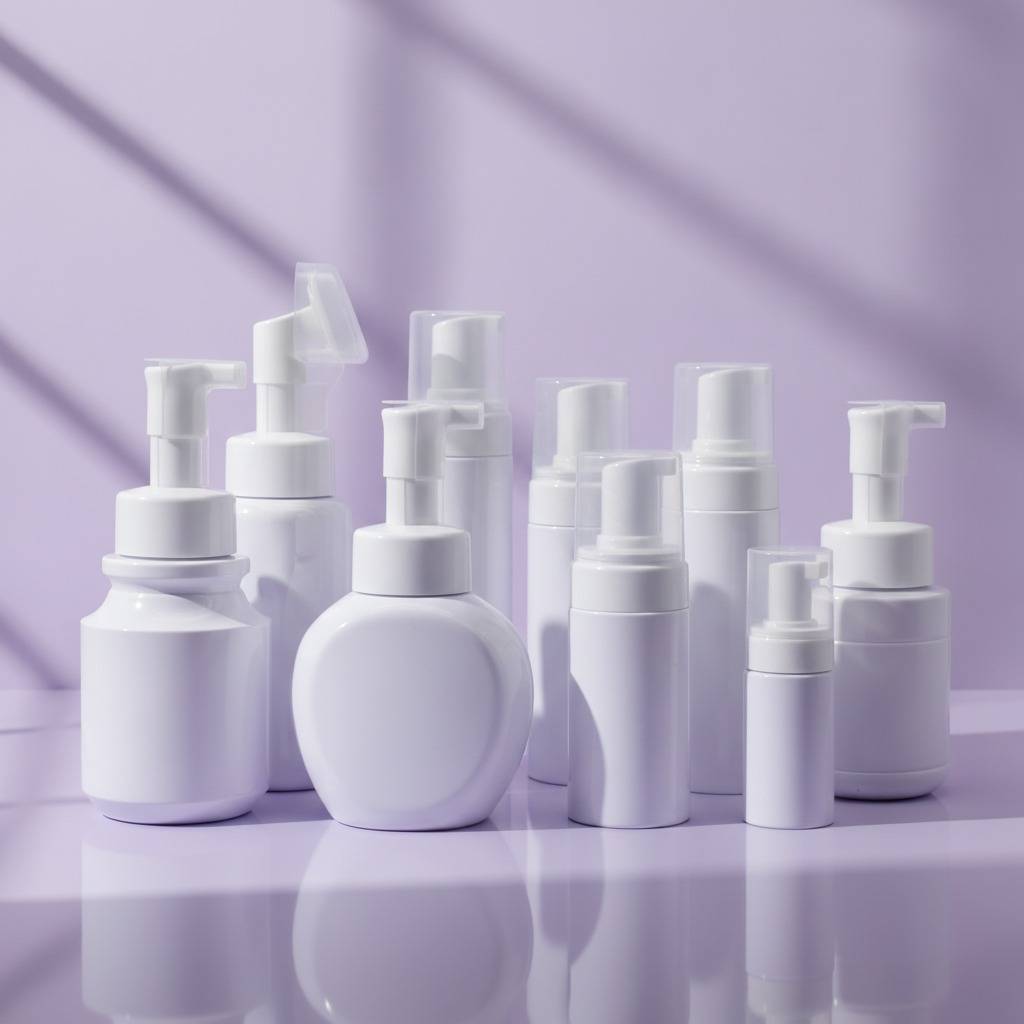
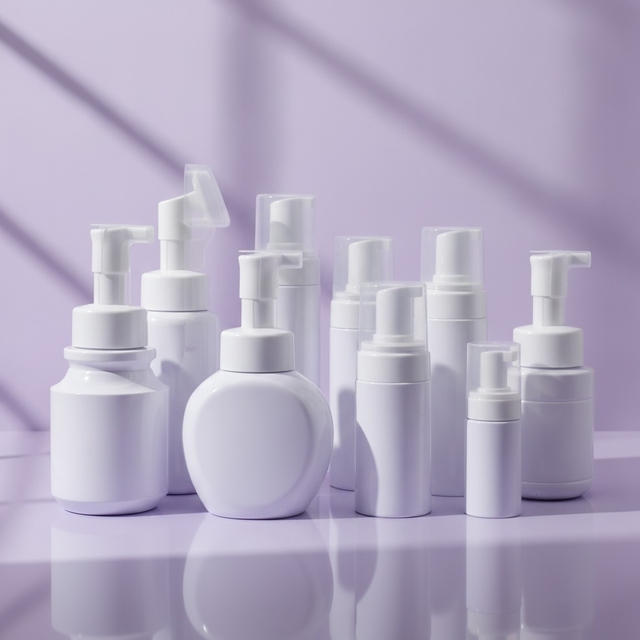
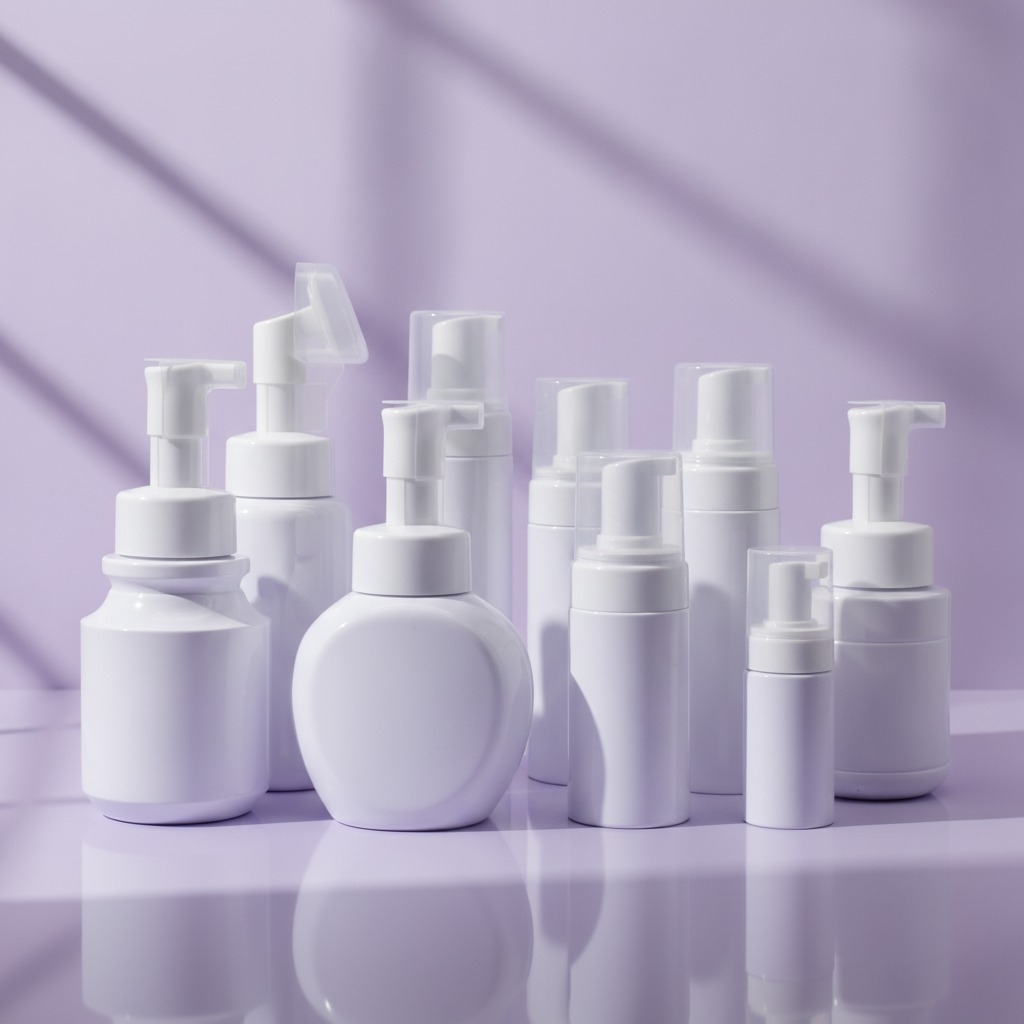
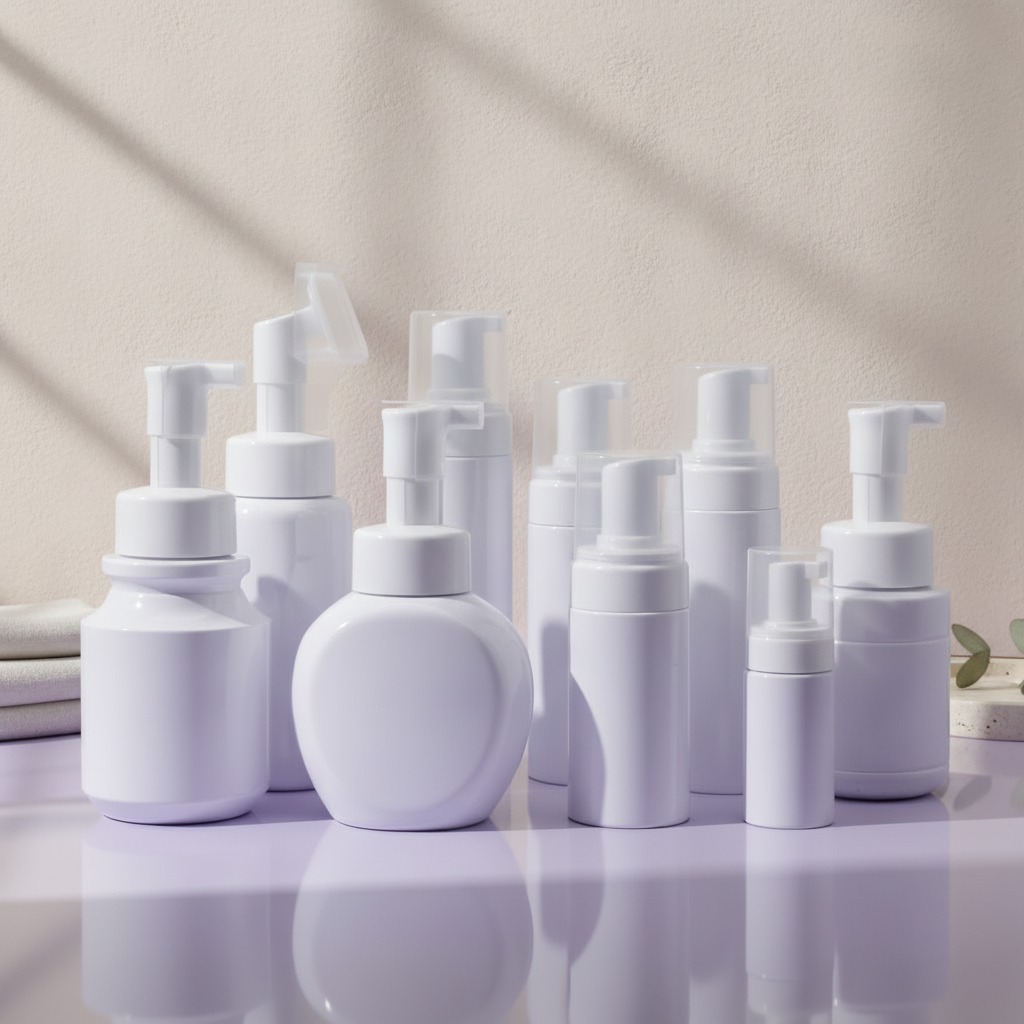
Commercial product ranges typically encompass an array of cylindrical, rounded-shoulder, oval, and rectangular silhouettes. Produced primarily as an empty foam bottle format ready for filling lines, these systems allow brands to scale liquid formulations across personal hygiene, clinical care, and beauty sectors while optimizing the consumer experience and standardizing dosage.
Key Components and Mechanical Capabilities
The functionality of a foam pump bottle relies on the interplay between the liquid container and a multi-part mechanical pump engine. Rather than simply displacing liquid, the pump head features separate liquid and air compression chambers.
- Actuator and Nozzle: An ergonomic dispensing head designed to accommodate finger pressure and guide the mixed lather downward onto the user's hand.
- Internal Aeration Engine: Dual-chamber design incorporating an air piston, a liquid piston, and precision fine-mesh screens that generate turbulence, shearing the diluted surfactant liquid into micro-bubbles.
- Dip Tube and Closure: Calibrated dip tubes convey formulation from the container base, threaded into standard neck finishes. Thread design must maintain a secure seal to avoid pressure drop or liquid weepage.
- Protective Overcaps: Transparent snap-on covers isolate the actuator head during shipping and handling, preventing accidental depression or contamination in transit.
- Opaque Outer Body: Thick-walled opaque profiles minimize internal content visibility, shielding formulations from ambient light exposure that could otherwise degrade light-sensitive active ingredients.
Materials and Surface Finishing
Most commercial plastic foam bottle configurations utilize rigid, blow-moldable thermoplastics. While specific resin grades are determined based on technical requirements, typical structural polymers include high-density polyethylene (HDPE), polypropylene (PP), and polyethylene terephthalate (PET). Pump mechanisms are primarily molded from PP and polyethylene (PE), with internal stainless-steel springs isolated from or directly exposed to the fluid path depending on the pump engine architecture.
Bottles are manufactured with opaque white finishes, exhibiting either a glossy surface or a smooth semi-matte texture under different lighting conditions. These neutral, non-porous surfaces provide an ideal substrate for secondary decoration processes, including pressure-sensitive labeling, direct screen printing, hot stamping, or full-sleeve heat shrink application.
Manufacturing and Assembly Processes
The manufacturing flow for a foaming bottle involves distinct processing stages for the vessel and the dispenser mechanism:
- Bottle Molding: Hollow containers are formed via extrusion blow molding (EBM) or injection stretch blow molding (ISBM), establishing uniform wall distribution, accurate neck thread tolerances, and stable base geometry.
- Pump Injection Molding: High-cavitation molds produce the actuator, collar, piston housing, and mesh screens with tight dimensional consistency to guarantee air-tight operation.
- Automated Assembly: Sub-components, internal valves, check balls, and dip tubes are assembled and mechanically seated into the closure housing under clean manufacturing conditions.
- Final Inspection: Pump stroke action and physical fitment between the bottle neck and closure are evaluated before batch packaging.
Application Scenarios Across Formulations
Foaming dispensers cater to water-thin surfactant solutions containing adequate foaming agents. Common applications include:
- Skincare and Cosmetics: Employed as a skincare foam bottle or foaming cleanser bottle for gentle face washes, micellar foams, and makeup removers where a delicate texture prevents mechanical skin irritation.
- Dermatology and Medicated Washes: Utilized as a facial foam bottle or foaming facial cleanser bottle for medicated washes requiring uniform coverage without aggressive scrubbing.
- Hand Hygiene: Implemented widely as a soap foam bottle or foaming soap bottle in residential, commercial washroom, and institutional sanitary settings to reduce water use and chemical volume per handwash cycle.
- Haircare and Bath: Deployed as a foam shampoo bottle or body wash dispenser, delivering light foam directly to wet hair or loofahs without diluting active ingredients prior to spread.
Quality Control and Functional Testing
Sourcing teams must verify technical specifications through standard container performance metrics. A qualified foam bottle supplier evaluates seal integrity through vacuum leak testing to verify closure tightness across simulated transport pressures. Stroke capacity—the volume of liquid and foam produced per full press—is monitored for dosing consistency.
Additional evaluations include drop impact testing of the filled vessel, stress-crack resistance of molded resin when exposed to aggressive surfactants, and dip tube retention testing. Because viscosity directly dictates foam quality, packaging engineers should conduct compatibility trials to ensure the liquid formula matches the specific aeration ratio and mesh pore size of the pump engine.
Customization and Sourcing Considerations
When collaborating with a foam bottle manufacturer or foam bottle packaging supplier, procurement managers should define project requirements early in the packaging development cycle. A custom foam bottle project may involve bespoke mold tooling for unique container silhouettes, altered neck thread diameters, or custom foaming bottle collar detailing.
During the foam bottle packaging design phase, consider label panel curvatures, fill line heights, and automated capping torque limits. Resin compatibility must be confirmed via real-time stability testing, as surfactant chemistry, volatile organic compounds, and essential oils can interact with plastic resins or pump gaskets over extended storage periods.
Request Specifications and Technical Support
Selecting the appropriate packaging configuration requires careful alignment between container dimensions, pump dosage, and formulation rheology. Contact our technical sales team to request empty container samples, dimensional drawings, or guidance on pump engine selection to advance your product packaging development.