

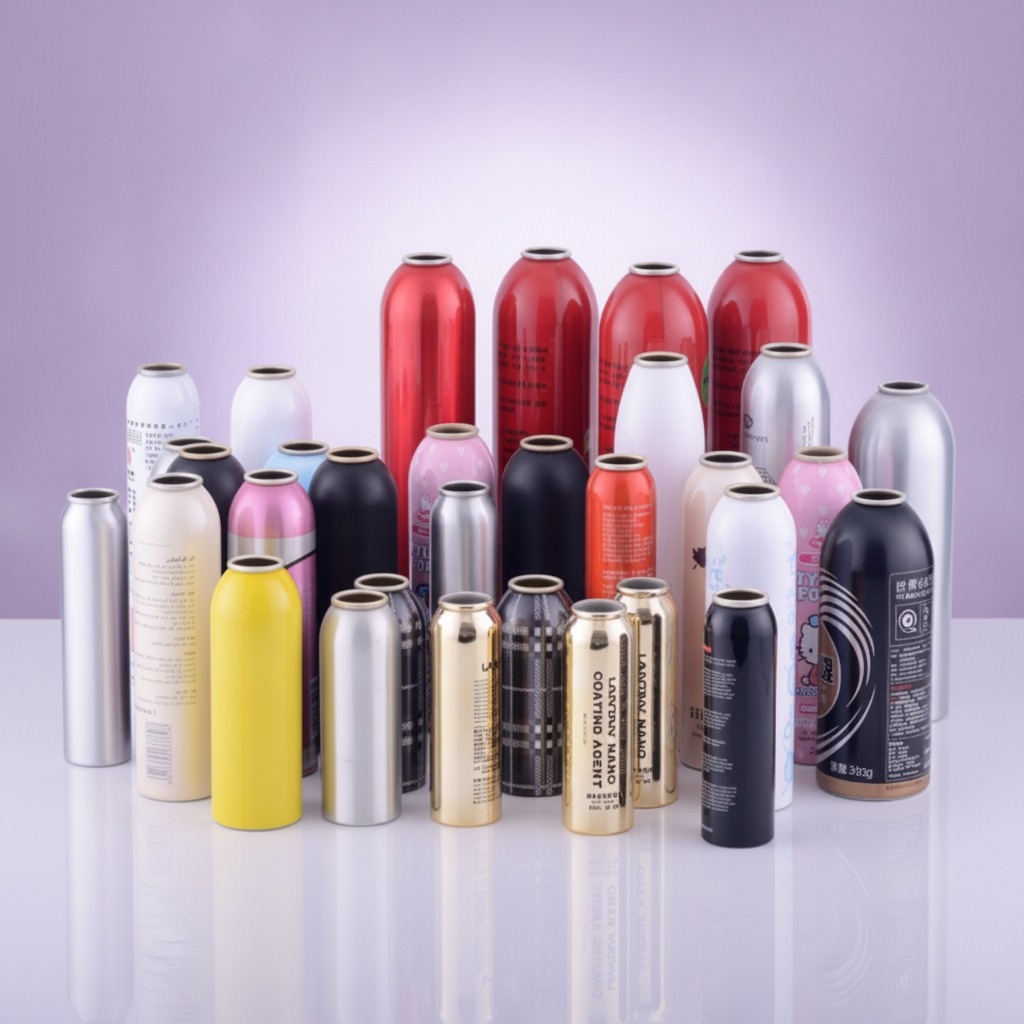
Engineered Aerosol Can Packaging for High-Integrity Formulations
Commercial fillers and chemical formulators frequently encounter packaging failure modes that compromise shelf appeal and product stability, such as leakage, seam degradation, and external coating degradation under demanding transport conditions. Sourcing a dependable aerosol can directly addresses these integrity challenges by providing a seamless, pressurized containment envelope tailored for fine sprays, stable foams, and controlled chemical dispensing. When formulated liquids require consistent evacuation under propellant pressure, selecting the right can body minimizes packaging downtime and protects brand reputation across retail and commercial supply chains.
Product Architecture and Structural Formats
An empty aerosol can serves as the foundational component of a complete aerosol dispensing assembly prior to the insertion and crimping of valves, dip tubes, and mounting cups. The physical architecture centers on a single-piece, seamless cylindrical body characterized by an integral flat or slightly concave base, an extended sidewall, a domed or rounded shoulder, and an unrolled open neck designed to accept standard aerosol valve seals.
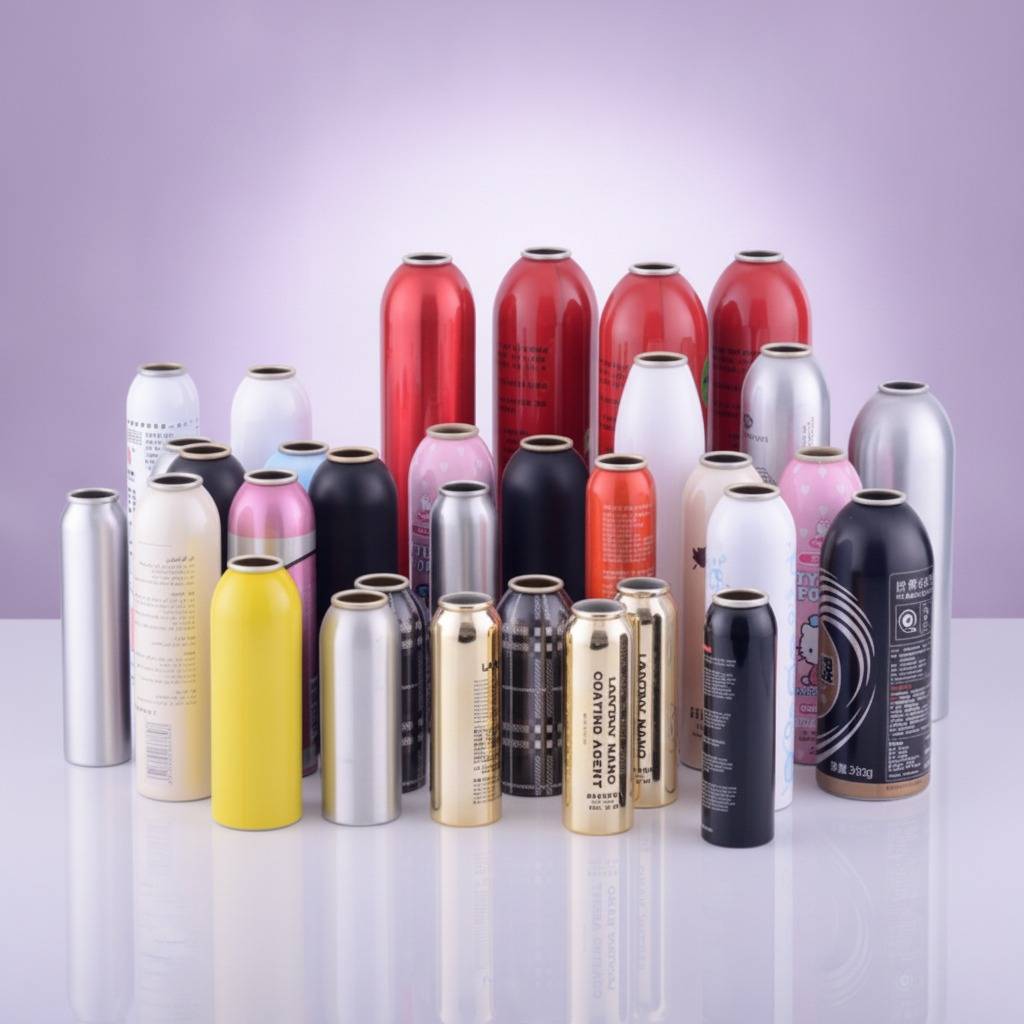
Depending on brand ergonomics and filling-line conveyors, these can bodies are manufactured in two primary structural profiles. Straight-wall profiles offer continuous cylindrical geometry from the bottom transition up to the shoulder radius, maximizing standard label space and handling stability. In contrast, contoured or tapered shoulder profiles introduce a subtle transition zone that elevates aesthetic distinction on retail shelves while retaining required pressure-bearing characteristics across the upper rim.
Materials, External Coatings, and Print Finishes
The majority of seamless monobloc containers utilize lightweight aluminum alloys, giving the aluminum aerosol can notable corrosion resistance and dent durability without the structural vulnerabilities of welded longitudinal side seams. This metal aerosol can architecture provides complete light and oxygen barrier protection, keeping volatile compounds, active concentrates, and propellant gases hermetically sealed.
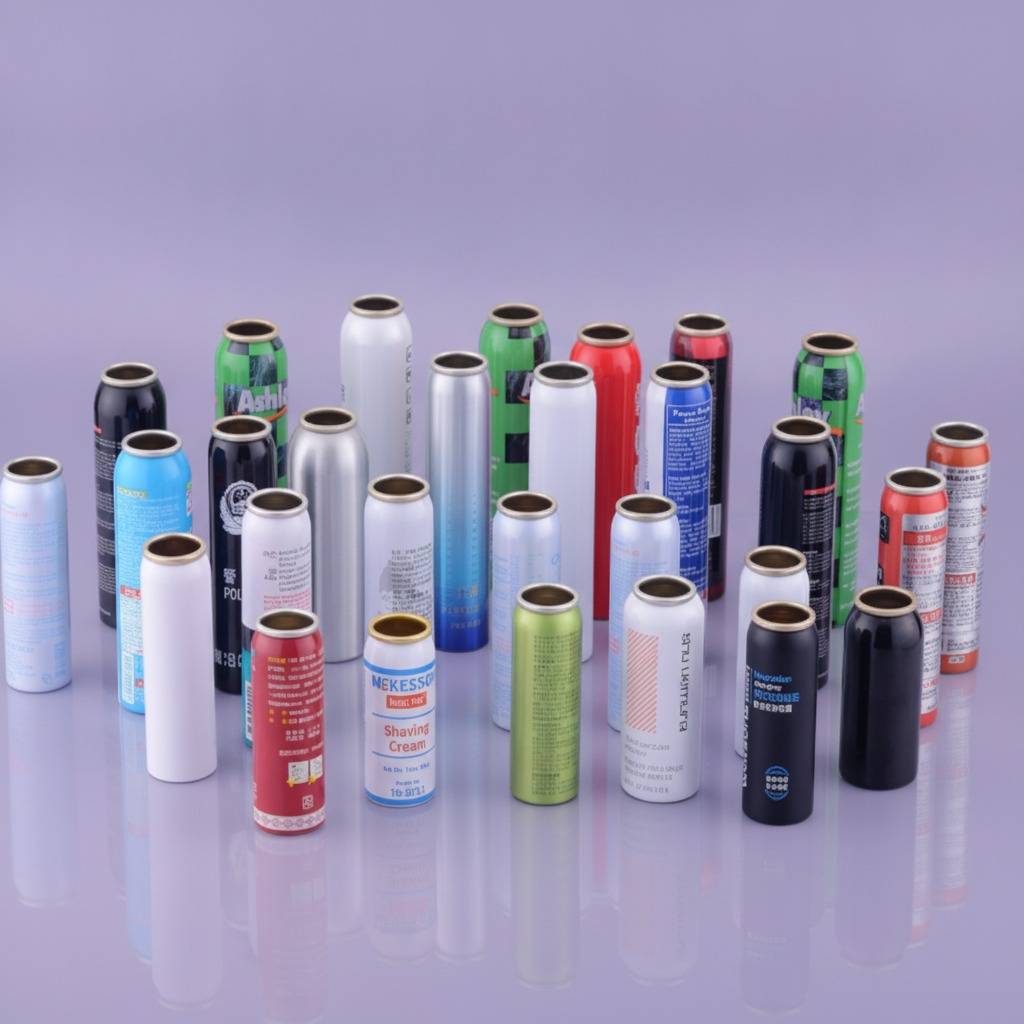
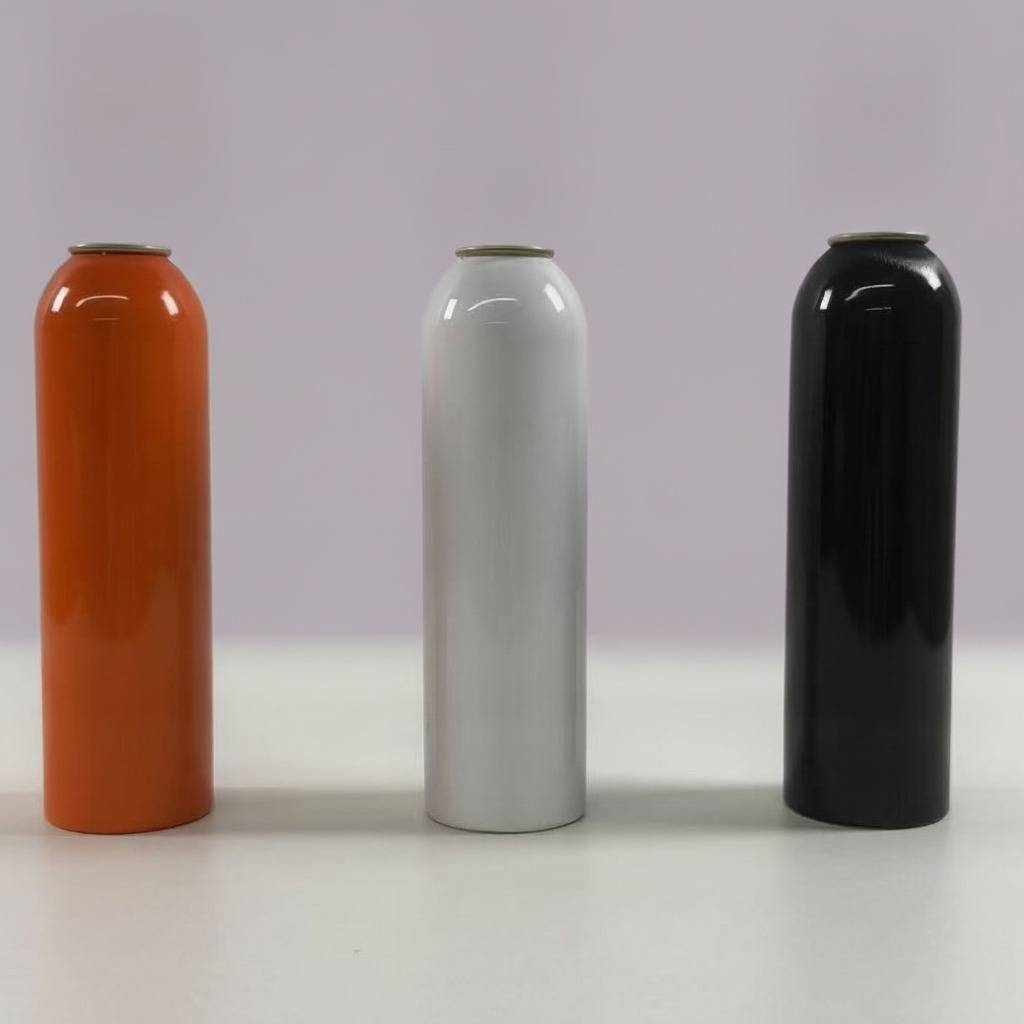
Exterior surface treatments transform raw metal substrates into tactile, visually distinct marketing assets. Production lines apply base coats ranging from clear lacquers that showcase the raw metallic sheen to opaque white, black, yellow, pink, and vibrant red enamel bases. Graphics and regulatory labeling are subsequently rendered using direct offset printing or lithographic methods, accommodating intricate brand typography, barcodes, and multi-color compositions. Protective topcoats in matte, satin, or high-gloss finishes seal the external print layer against solvent exposure, scuffing, and moisture condensation during refrigeration or maritime transit.
Overview of the Aerosol Can Production Process
High-speed aerosol can production typically relies on precision impact extrusion or drawn-and-ironed methods, wherein cold aluminum slugs or blanks are struck by heavy-tonnage presses to form a seamless cylinder in a fraction of a second. Following basic body formation, several mechanical and thermal steps prepare the can body for industrial filling:
- Trimming and surface preparation: Bodies are trimmed to specified height tolerances, washed to remove industrial lubricants, and chemically pre-treated to ensure maximum coating adhesion.
- Internal and external coating: While exterior coatings are applied for decoration, internal protective barriers may be sprayed to shield the metal alloy from corrosive chemical concentrates, subject to formulation compatibility testing.
- Necking and shoulder shaping: A succession of progressive forming dies gently reduces the top diameter, curling the curl diameter and setting the dome radius without weakening the aluminum structure.
Application Sectors and Packaging Solutions
Because an aerosol container must endure internal pressure while maintaining dispensing ergonomics, distinct industries demand specific mechanical configurations and surface durability:
Personal Care and Cosmetic Products
Brands formulating dry shampoos, body sprays, shave gels, and facial mists rely heavily on personal care aerosol cans and cosmetic aerosol cans. These containers require smooth shoulder transitions, high-definition cosmetic graphics, and moisture-resistant exterior lacquers capable of enduring steamy bathroom environments.
Automotive, Hardware, and Industrial Maintenance
Harsh delivery conditions demand rugged spray can packaging. For brake cleaners, penetrating oils, lubricants, and spray paints, industrial aerosol cans and automotive aerosol cans offer the structural robustness necessary to resist mechanical impact on workshop floors, chemical solvent drippage, and prolonged outdoor storage.
Household Cleaners and Specialty Spray
Disinfectants, air fresheners, and foaming surface cleaners depend on cleaning product aerosol cans that maintain container rigidity across long shelf-lives, while food-grade aerosol cans serve culinary sectors dispensing edible oils and pan sprays under hygienic packaging protocols.
Quality Control and Pressure Integrity
A qualified aerosol can factory implements multi-stage quality assurance protocols to prevent line failures during high-speed pressurization. Neck openings are checked via optical gauging to guarantee strict circularity, opening diameter tolerances, and bead flatness, preventing micro-leaks around crimped gaskets. Destructive sample testing evaluates burst pressure thresholds and shoulder deformation resistance, confirming that the metal body will reliably handle internal pressure surges induced by ambient temperature changes during logistics.
Procurement Decisions: Selecting an Aerosol Can Manufacturer
Contract packagers and brand owners sourcing from an aerosol can supplier or aerosol can manufacturer should evaluate several key commercial parameters:
- Dimensional compatibility: Match overall can heights, body diameters, and shoulder profiles with existing conveyor rails, packaging carton dimensions, and automated capper equipment.
- Closure and crimp fit: Verify that the top neck dimensions adhere precisely to standard 1-inch or specialty valve mounting specifications utilized by contract fillers.
- Coating resilience: Ensure exterior and interior coating systems are matched to the specific solvent carrier, water concentration, or active ingredients of your product formulation.
Advance Your Product Line with Technical Aerosol Solutions
Overcoming packaging vulnerabilities requires matching container geometry and metallurgy with precise filling-line needs. Contact our engineering team today to review technical drawings, request dimensional samples of empty aerosol cans, and discuss tailored aerosol can packaging solutions for your commercial product launch.