
Solving Formulation Oxidation with the Airless Pump Bottle
Exposure to ambient air, moisture, and ultraviolet radiation represents a critical vulnerability for sensitive skincare actives, causing rapid oxidation, microbial contamination, and discoloration. Formulators frequently encounter challenges when packaging unstable compounds—such as L-ascorbic acid, retinoids, and peptides—in conventional dip-tube bottles that draw outside air back into the chamber after every stroke. Adopting an engineered airless pump bottle eliminates this headspace interaction. By utilizing an internal mechanical rising piston or non-vented engine, the packaging preserves formula integrity, prevents active degradation, and significantly minimizes product waste by evacuating viscous formulations up to the final dose.
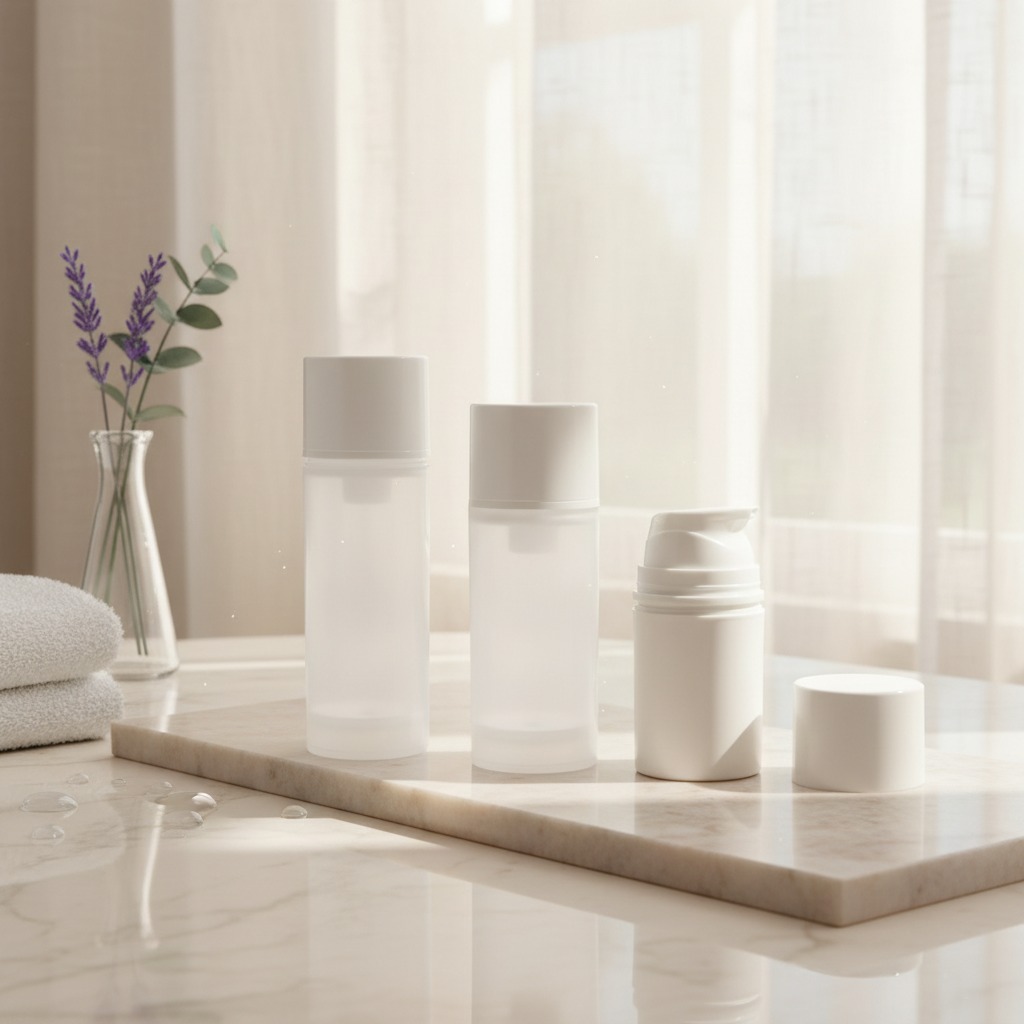
Product Architecture and Engineering Overview
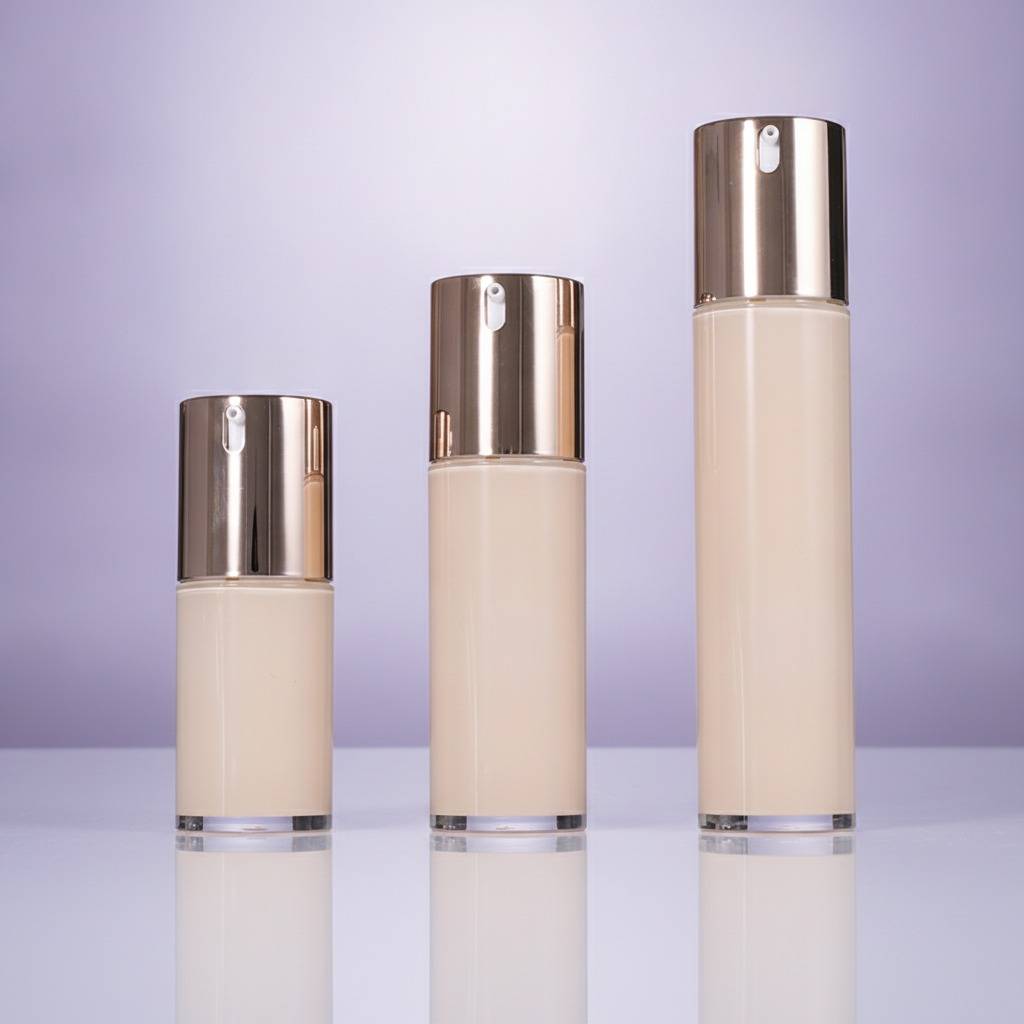
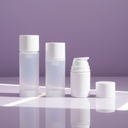
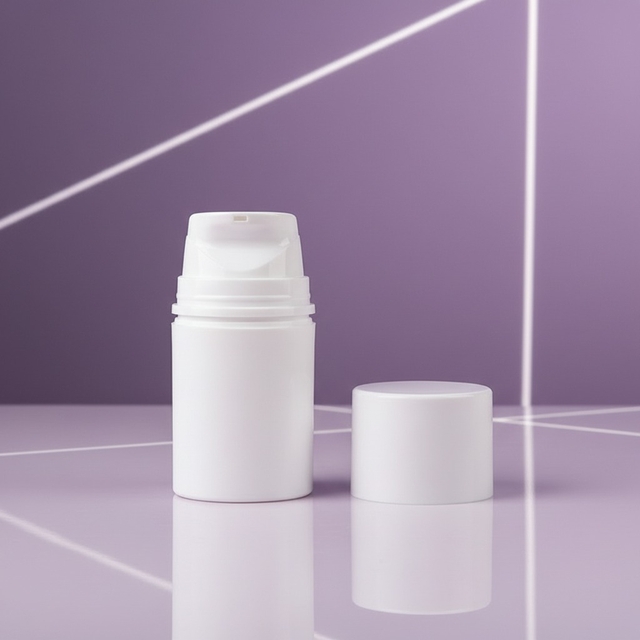
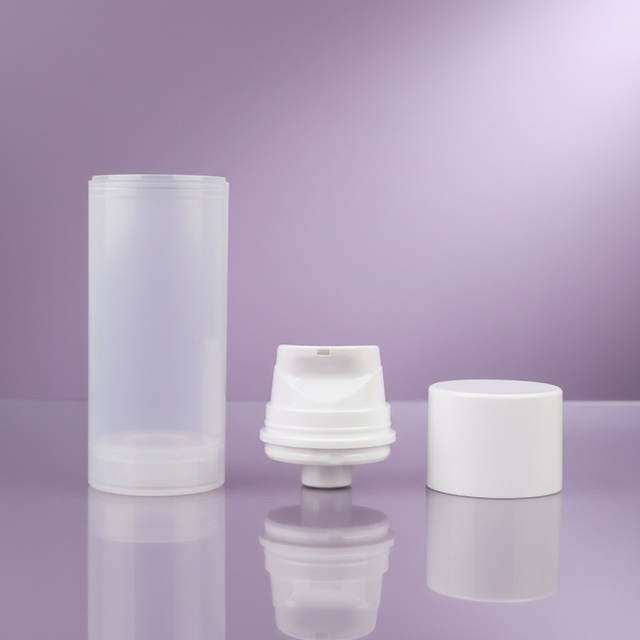
An airless cosmetic packaging system functions on pressure differentials rather than atmospheric displacement. The container features straight-profile cylindrical sidewalls, a balanced flat base, and a precision-molded dispensing engine. Unlike conventional lotion dispensers that rely on a central dip tube submerged in product, an airless pump dispenser bottle maintains an airtight lower chamber. Actuating the pump head creates a low-pressure vacuum that pulls an internal piston upward, pushing the liquid through the nozzle without allowing ambient back-draft into the reservoir.
While specific internal engineering parameters—such as precise stroke displacement volumes and exact neck thread pitch—depend on individual production tooling, standard configurations typically accommodate standard volume increments. Cosmetic brands routinely engineer their portfolios across airless pump bottle 30ml, airless pump bottle 50ml, and airless pump bottle 100ml footprints to maintain shelf coherence across travel sizes, core treatments, and daily moisturizers.
Materials and Surface Treatment Options
Selecting suitable container resins depends on chemical compatibility, optical transparency requirements, and corporate sustainability directives. Most industrial applications utilize a rigid plastic airless pump bottle manufactured from engineering polymers such as acrylonitrile styrene (AS), polyethylene terephthalate (PET), or high-density polyethylene (HDPE). These substrates offer chemical resistance against lipid phases, essential oils, and volatile active carriers.
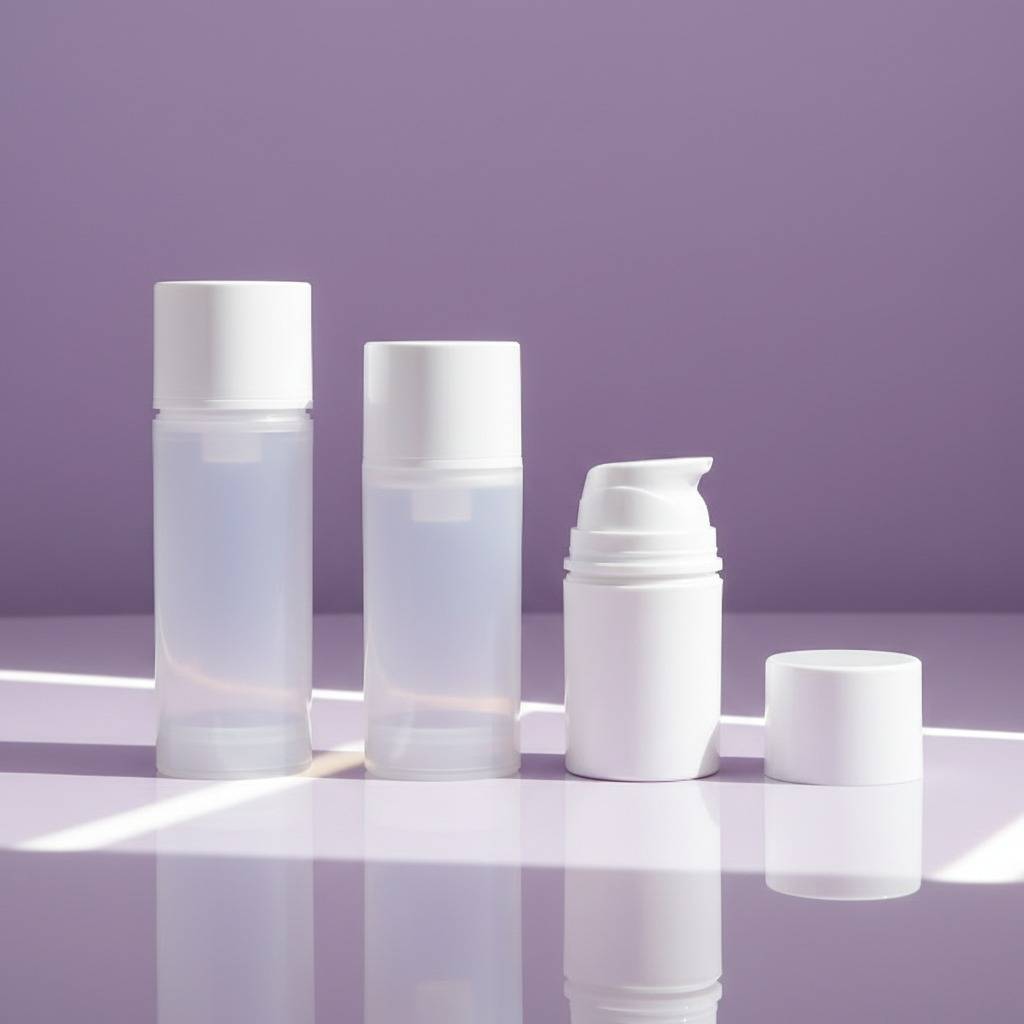
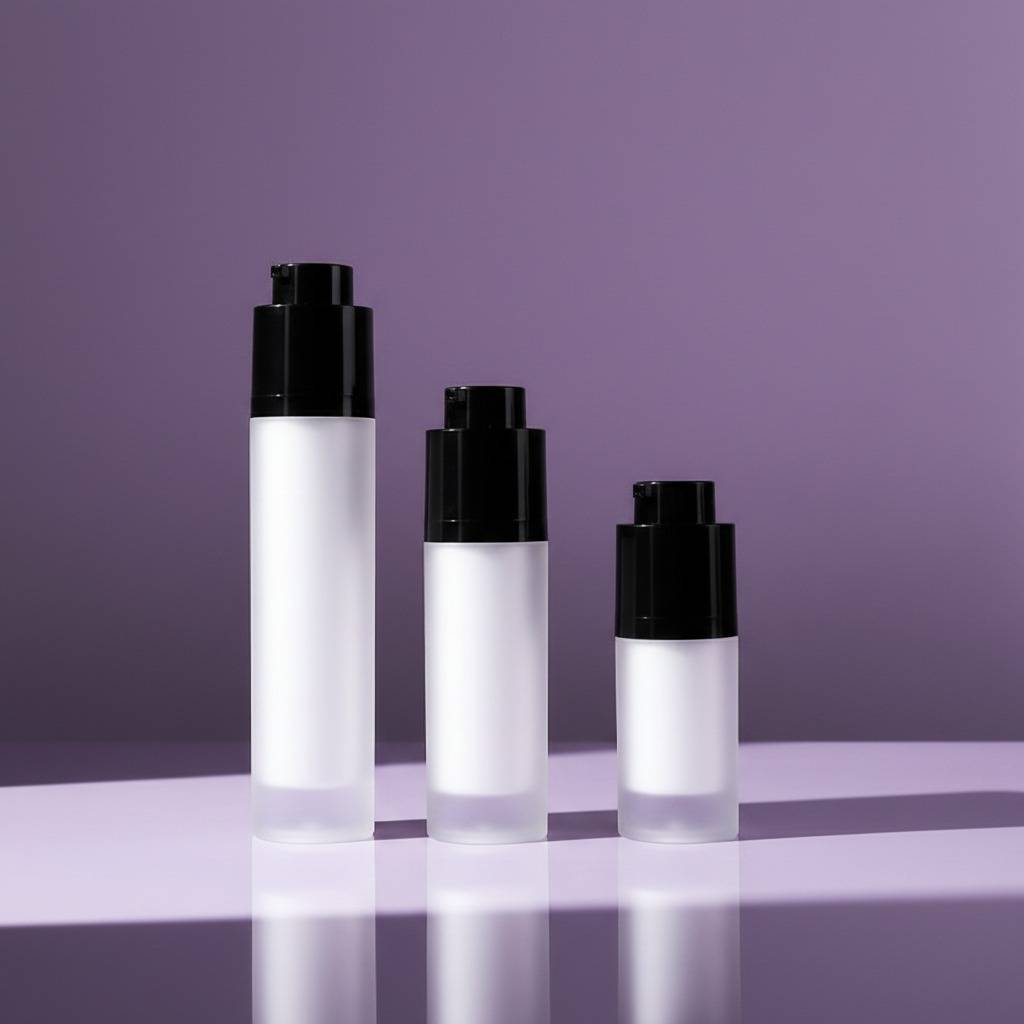
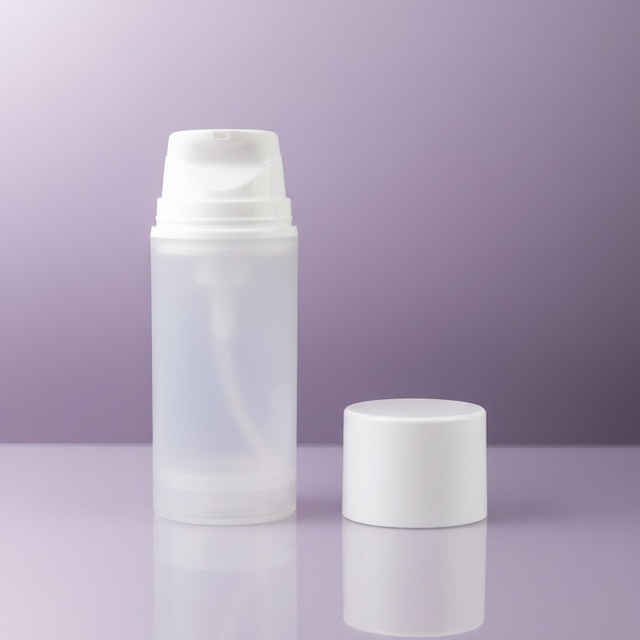
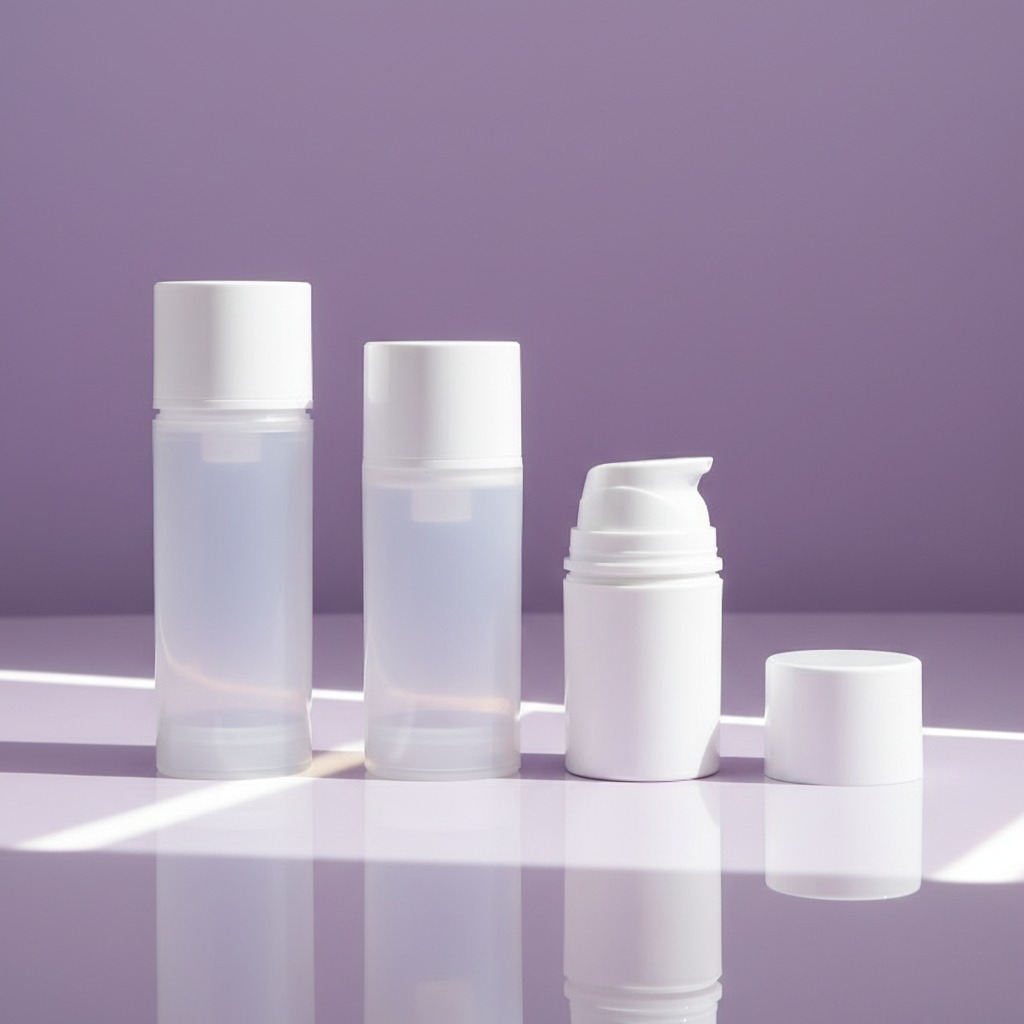
Surface finishing plays a dual role in container aesthetics and light protection. Opaque white finishes provide high-barrier UV deflection, shielding photo-reactive serums from light-induced breakdown. Conversely, translucent or frosted matte sheens allow end users to visually gauge remaining fill levels while presenting a refined tactile texture. For premium segments seeking substantial hand-feel, a luxury airless pump bottle format may incorporate heavy-wall bases, metal-sheathed actuators, or dual-wall constructions. When evaluating low-carbon roadmaps, partnering with an airless pump bottle supplier capable of molding with post-consumer resins (PCR) enables a functional, recyclable airless pump bottle program without compromising seal tolerances. Brands seeking alternate materials can also explore compatibility with a glass airless pump bottle system, provided the internal piston tolerances match rigid glass bore dimensions.
Manufacturing Process and Tooling Capabilities
Production within a certified airless pump bottle factory involves multi-stage injection molding and blow molding technologies. Cylindrical cap components, actuator heads, and interior piston seals are injection-molded under tight dimensional controls to ensure zero air bypass. The bottle body is produced via injection stretch blow molding or single-stage injection molding, depending on resin selection and wall-thickness targets.
Consistency across parting lines and gate marks is vital. Reliable automated assembly lines join the piston, spring engine, nozzle gasket, and exterior over-cap in cleanroom environments to reduce particulate contamination before bulk packaging. A seasoned airless pump bottle manufacturer tests tooling dies to prevent cavitation variations that could otherwise lead to air leaks around the closure threads or piston skirt.
Primary Application Scenarios
Airless packaging is engineered for high-value personal care and dermatological applications:
- Targeted Facial Serums: Deploying a serum airless pump bottle protects concentrated antioxidants, brightening acids, and moisture-binding hydrogels from air contact during extended daily use.
- Barrier Repair Creams: Rich lipid emulsions that resist flow down a conventional straw are smoothly evacuated by positive piston pressure.
- Preservative-Free Formulations: Because the system prevents exterior air infiltration, an airless pump bottle for serum applications allows brands to minimize synthetic preservative loads.
- Airless Travel Formats: A compact cosmetic airless pump bottle delivers 360-degree dispensing, enabling users to actuate the container sideways or upside-down during travel without pump failure.
Quality Control and Validation Standards
Verifying seal integrity across the full dispensing lifecycle requires rigorous factory quality assurance:
- Vacuum Leak Testing: Submerged vacuum chamber testing evaluates bottle seals under simulated high-altitude and negative-pressure conditions to ensure closures do not weep or ingest air.
- Actuation Consistency: Mechanical testing verifies that the pump engine delivers a uniform volumetric dosage across repeated presses without nozzle clogging or spring fatigue.
- Evacuation Rate Assessment: Quality engineers measure the residual product left inside the container after the piston reaches its upper travel limit, targeting evacuation efficiency exceeding 95%.
- Torque and Fit Verification: Thread engagement between the closure and bottle shoulder is checked using calibrated torque meters to prevent stripping during automated high-speed filling lines.
Customization Guidance and Sourcing Factors
Developing a custom airless pump bottle requires clear technical specifications during the tooling and procurement stage. Buyers must evaluate viscosity thresholds; low-viscosity toners demand different engine valving than high-viscosity sunscreens to prevent nozzle dripping. Where environmental messaging is paramount, specifying a refillable airless pump bottle allows consumers to retain the outer shell and pump while replacing only the internal cartridge, significantly reducing overall plastic consumption.
When selecting an airless pump bottle packaging supplier, procurement teams must audit minimum order quantities (MOQs), surface decoration capabilities—such as silk screening, hot-stamp foiling, and UV lacquering—and factory lead times for pilot tooling. Ensure sample units undergo thorough accelerated compatibility testing with your bulk formulation to confirm that oils, fragrances, or active solvents do not swell internal gaskets or disrupt piston travel.
Request Engineering Specifications and Samples
Transitioning to airless dispensing technology safeguards sensitive active chemistries while elevating user experience. Contact our technical team today to request component samples, engineering drawings, neck finish specifications, and volumetric compatibility data tailored to your product pipeline.