
Airless Bottle for Controlled, Clean Dispensing
An airless bottle is a practical choice when a formula needs protection from repeated air exposure, mess, and uncontrolled dosing. For skincare, cosmetics, and personal-care products, this packaging format helps buyers present a cleaner user experience while supporting more precise dispensing. The visible cylindrical body, pump head, and protective cap make it suitable for brands that want a compact, retail-ready container with a polished appearance and easy product-level checking.

Product Overview
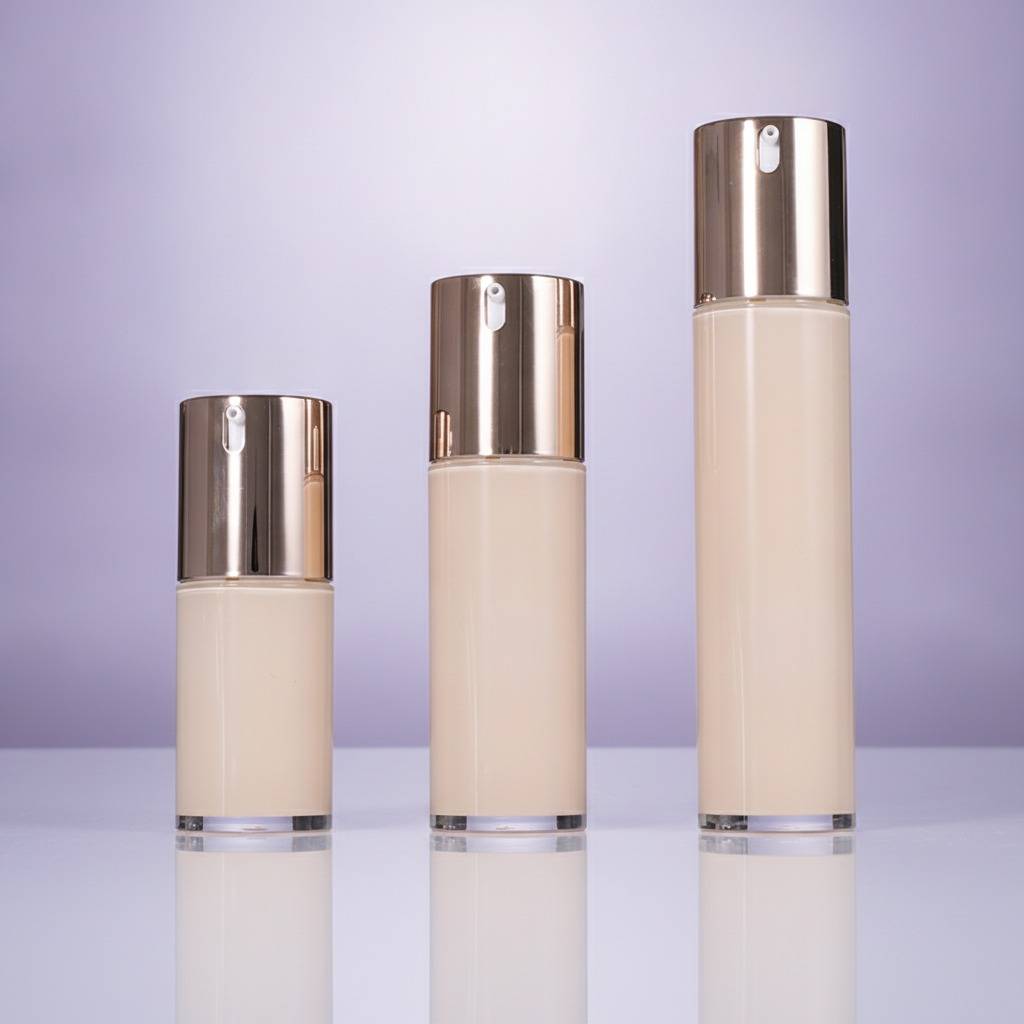
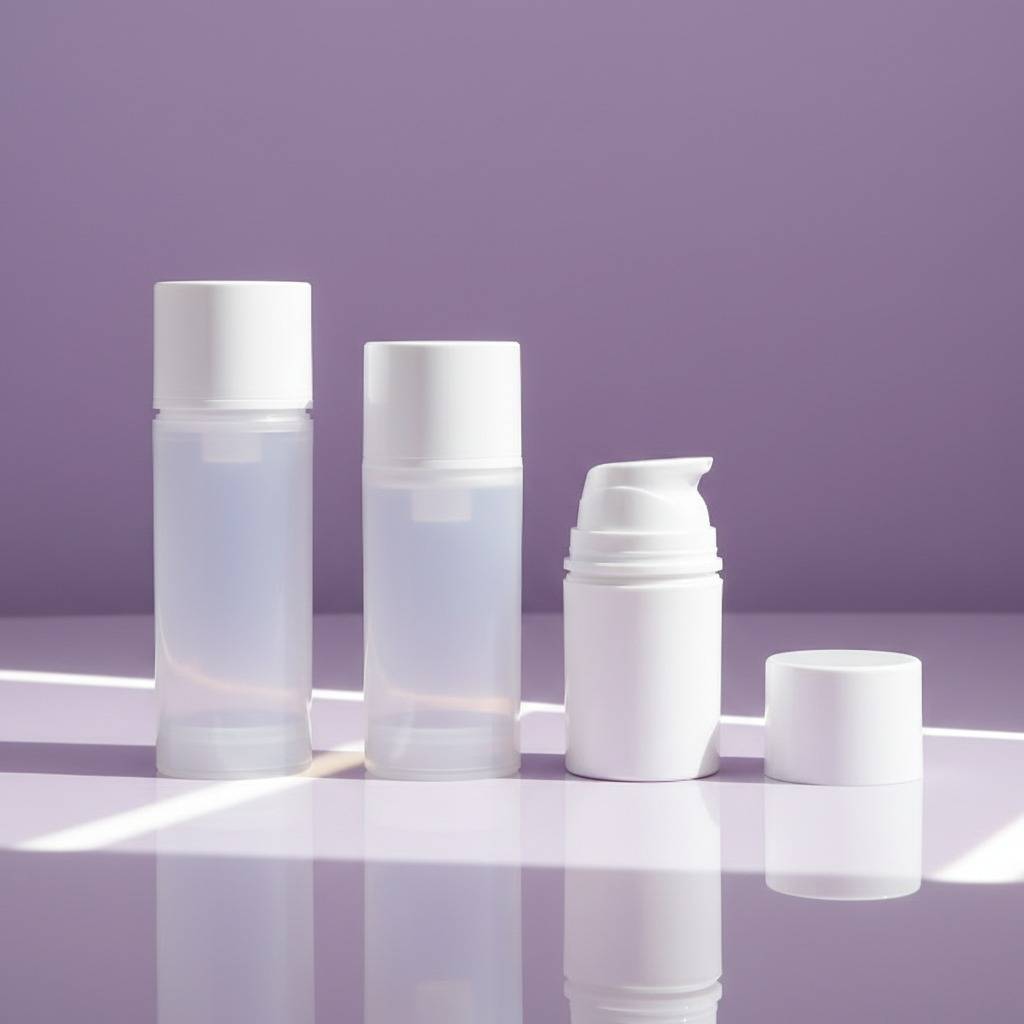
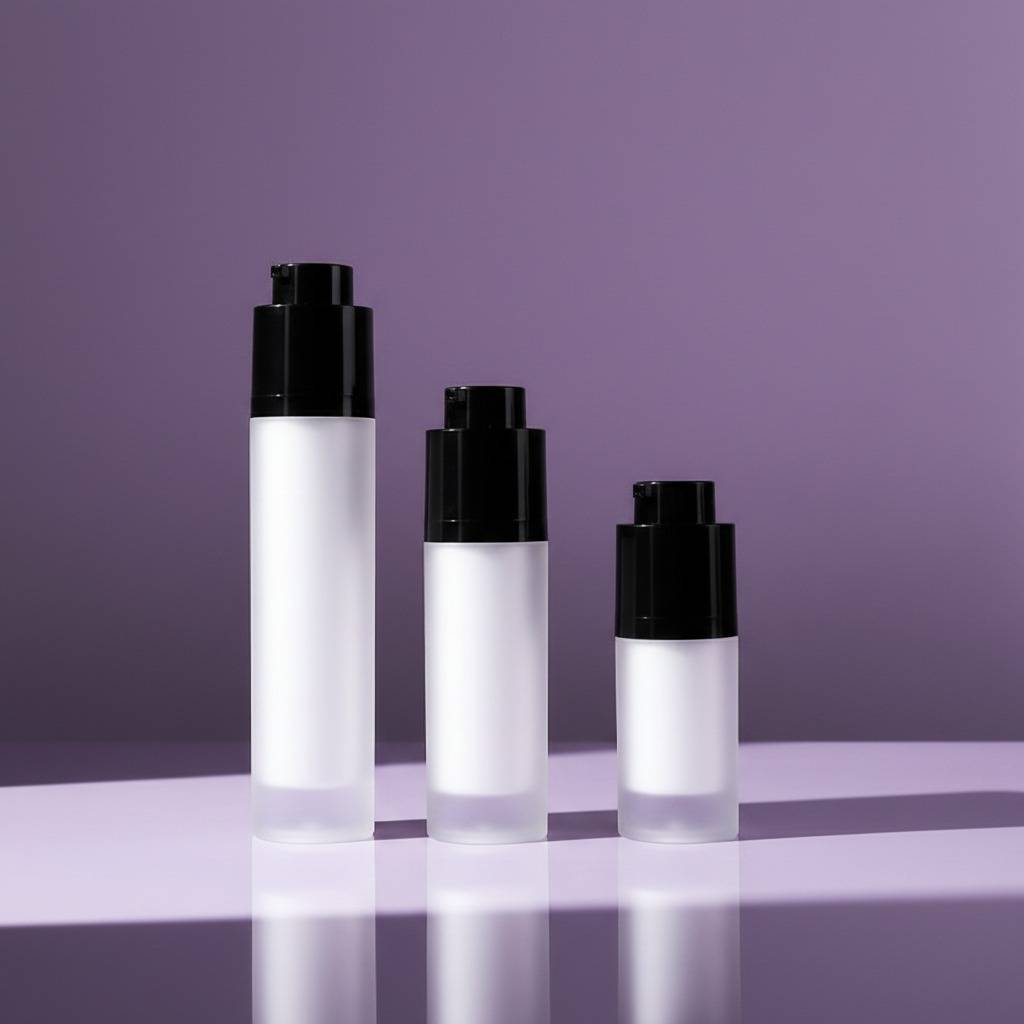
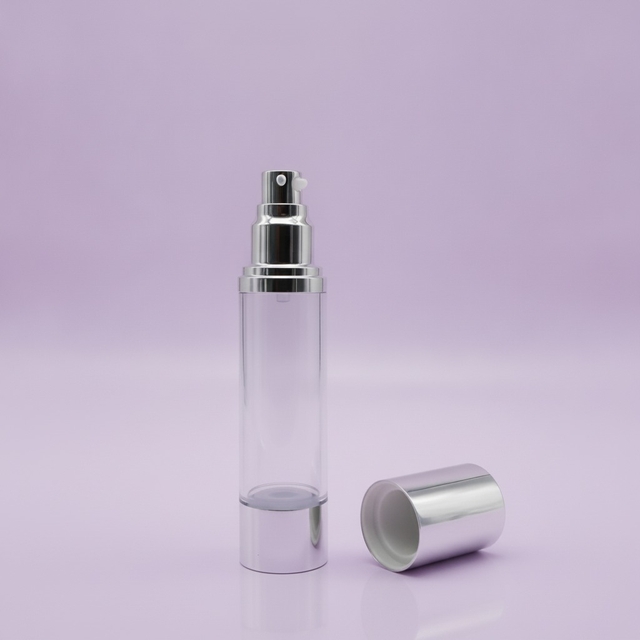
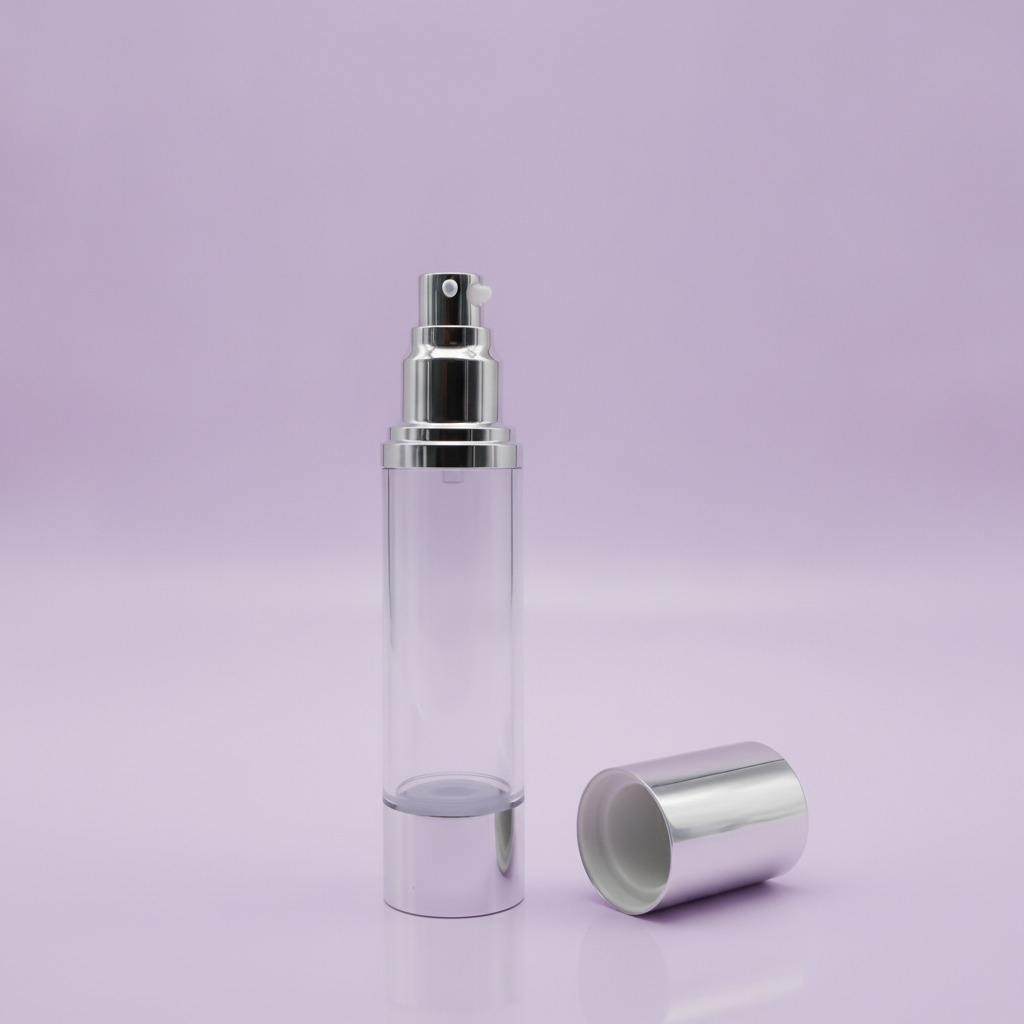
This cylindrical dispenser combines a transparent or frosted body with a metallic silver-looking base, collar, and cap. The design is simple, upright, and easy to recognize on a shelf or vanity. Because the reservoir is visible, users can monitor remaining product at a glance, which is helpful for lotions, serums, creams, and similar liquids. The included cap also adds a layer of protection during storage, travel, or shipping.
As a packaging component, this style fits brands looking for airless skincare packaging, refillable retail packaging, sample packaging, or countertop dispensing. The round, straight-sided body gives it a neat footprint, while the pump format supports controlled use and a more hygienic application routine.
Key Specifications and Visible Capabilities
Form and structure
The bottle appears cylindrical with a flat base for upright placement. A pump actuator sits on top, paired with a matching cap. The body looks clear or lightly frosted, which helps users see the fill level and product color.
Dispensing style
The top assembly suggests a pump-based dispenser, and the product may function as an airless pump bottle or a standard lotion-pump style bottle. Based on the image alone, the internal system cannot be confirmed, so buyers should verify the pumping mechanism before specifying it for oxygen-sensitive formulas.
Practical handling
The compact format is suitable for travel-size use, private-label launches, and premium personal-care presentation. The cap helps protect the actuator from dust and accidental presses.
Materials and Finish Options
The visible parts suggest a transparent plastic body with a chrome-like metallic finish on the top and base components. In production terms, this type of look is often achieved with injection-molded plastic and a plated or metallized finish, though exact material grades are not confirmed here. The surface appearance gives the package a refined, cosmetic-grade feel without losing the practical benefit of product visibility.
For brands comparing an airless dispenser bottle with other formats, finish selection matters. A clear body emphasizes formula color and fill level. A frosted body softens the visual presentation. A metallic-look cap and base can add shelf presence and help the container feel more premium in hand.
Manufacturing and Assembly Considerations
Packaging of this type is generally produced through plastic molding, then fitted with a dispensing head, collar, and cap. Depending on the final specification, decorative finishing may be applied to create the metallic appearance shown in the image. Because the internal mechanism is not visible, buyers should confirm whether the assembly is designed for true airless operation or standard pump dispensing.
That distinction matters. A brand using an airless cosmetic bottle for sensitive formulas may prioritize reduced air contact and cleaner evacuation of product. A standard pump bottle may be sufficient for general lotions, cleansers, or sanitizing liquids where dosing and convenience are the main goals.
Applications Across Beauty and Personal Care
This package suits a broad range of liquid and semi-liquid products. Common use cases include:
• lotions and body creams
• serums and lightweight skincare treatments
• facial moisturizers
• personal-care liquids
• sanitizer and hygiene products
• sample or travel packaging
• private-label retail lines
Brands searching for an airless lotion bottle or airless serum bottle often choose this style because it looks clean, dispenses neatly, and supports a more controlled routine for end users. It can also work well as airless skincare packaging for collections that want a coordinated, minimalist shelf appearance.
Quality Control and Buyer Checks
Before placing a production order, buyers should verify a few core points: compatibility with the intended formula, closure fit, pump performance, surface finish consistency, and whether the container matches the required dispensing method. Since exact capacity and material grade are not supplied, these details should be confirmed with samples or technical drawings.
For cosmetic packaging, it is wise to test how the bottle performs with the actual fill material. Viscosity, pigment content, and fragrance load can affect dispensing behavior. If the packaging is intended as an airless pump bottle, ask for confirmation of the internal structure and evacuation performance. If it is being used as an airless foundation bottle, visual consistency and controlled output become especially important.
Customization Guidance
Custom buyers can usually evaluate several directions: body transparency, finish tone, pump head style, cap shape, and branding decoration. A clear or frosted body works differently depending on the product story. Metallic accents may support a luxury line, while a simpler finish may suit clinical or ingredient-led brands. For private label projects, the main goal is to match the bottle’s look and function to the formula and the target shelf position.
Why This Packaging Format Makes Sense
If your product needs neat dispensing, a visible fill level, and a modern presentation, this airless bottle format is worth serious consideration. It helps reduce waste at the point of use, supports tidy application, and gives brands a packaging profile that feels more polished than a basic jar or open-neck bottle. For buyers comparing options, the strongest decision factors are mechanism type, material appearance, formula compatibility, and the overall brand image the package creates.
Request a Suitable Packaging Solution
If you are sourcing an airless bottle for skincare, cosmetic, or personal-care use, review your formula requirements and ask for matching samples or technical confirmation. A well-chosen dispenser can improve user experience, simplify filling, and strengthen product presentation from the first touch. Share your target application and packaging needs to find the most suitable configuration.