
Formulating a solid personal care product is only half the battle; delivering it to consumers without formula degradation, mechanism failure, or shelf invisibility presents a major commercial obstacle. A poorly engineered deodorant stick container often suffers from cap separation, uneven dispensing, or aesthetic uniformity that fails to justify premium retail placement. For personal care brands, contract packagers, and indie cosmetics producers, sourcing an empty deodorant stick container that balances structural reliability with versatile visual branding is critical to maintaining product integrity and brand loyalty.
The Packaging Dilemma: Dispensing Consistency vs. Shelf Differentiation
Solid personal care formulations—ranging from natural antiperspirants and sun sticks to treatment balms—require rigid protective shells that shield volatile fragrances and active waxes from atmospheric exposure. However, brands frequently encounter two operational extremes: standard, generic white tubes that commoditize the product, or overly complex bespoke designs that introduce mechanical defects and exorbitant tooling costs. Modern deodorant stick packaging solves this trade-off by utilizing adaptable cylindrical platforms that permit varied decorative caps, distinct barrel finishes, and stable advancing mechanisms without requiring completely custom mold re-engineering.
Product Architecture and Mechanism Overview
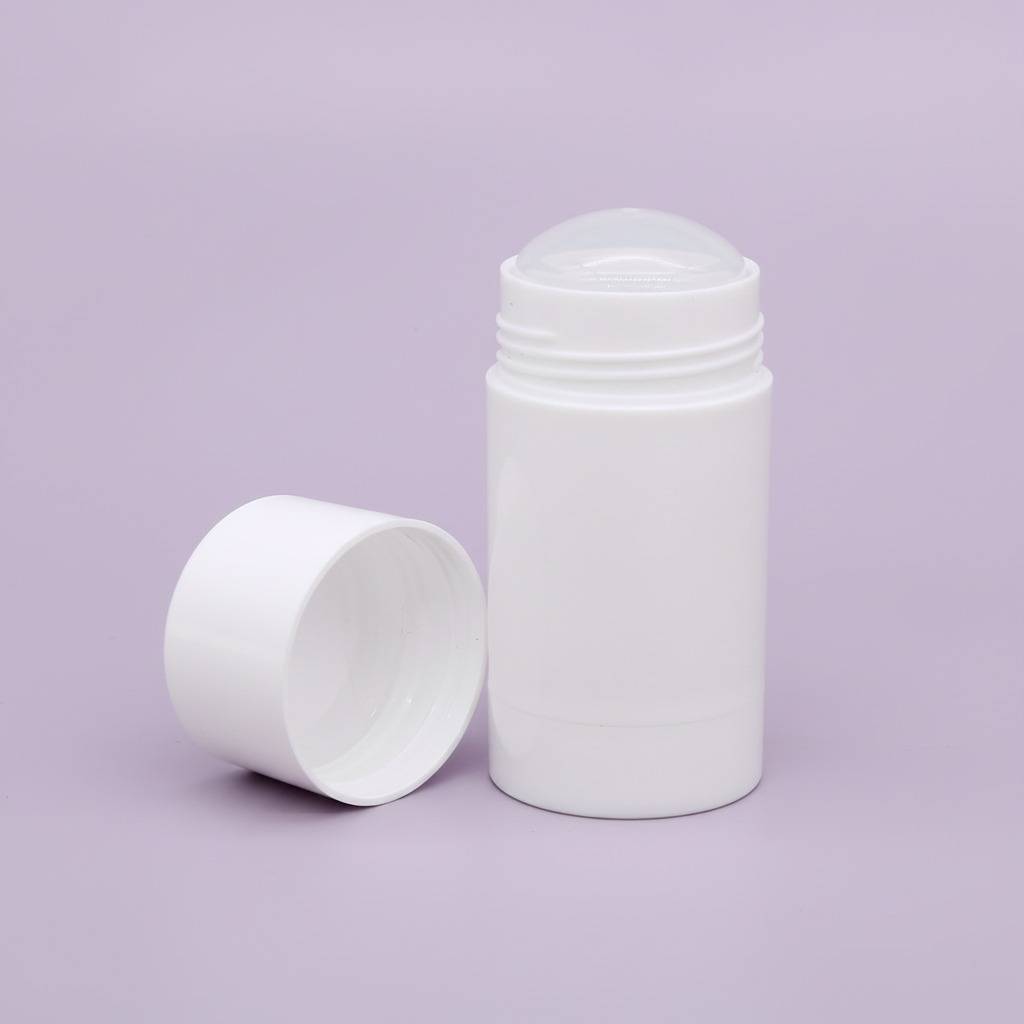
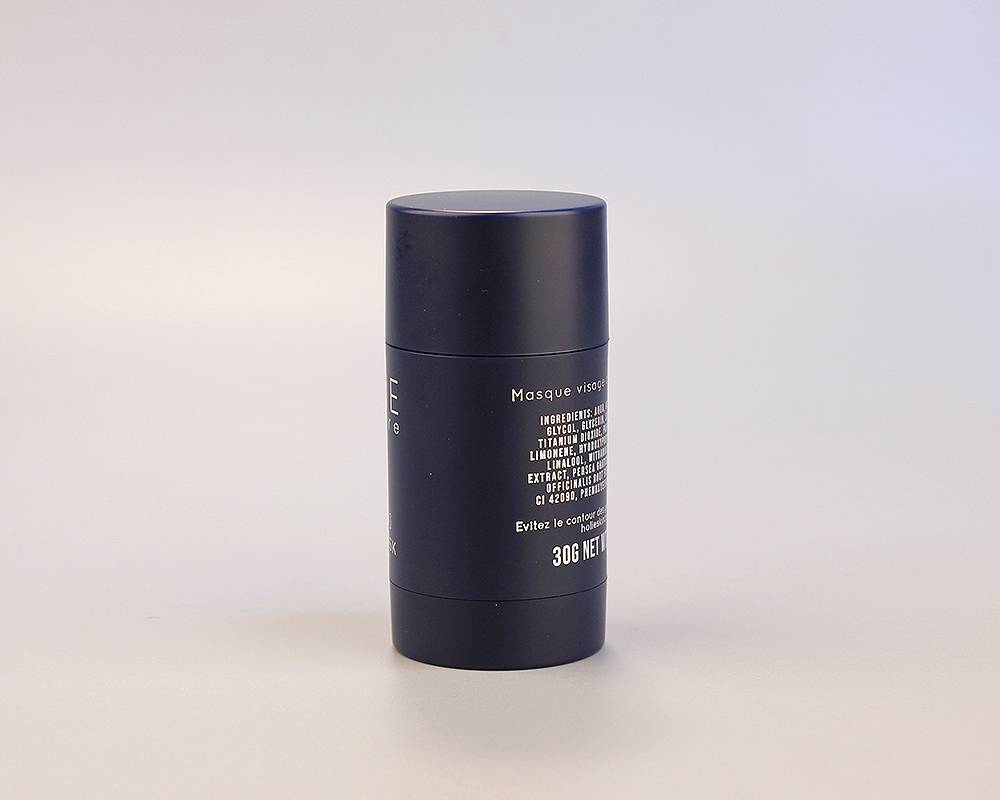
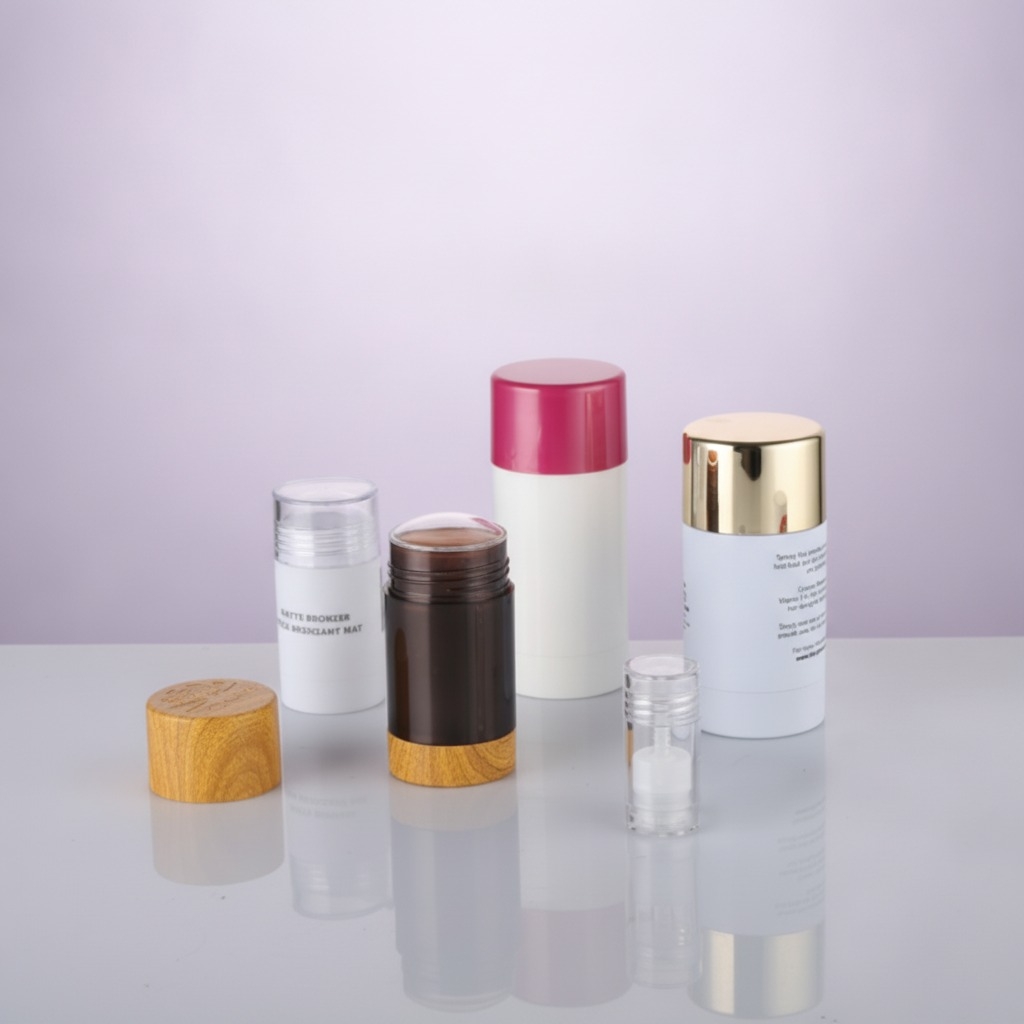
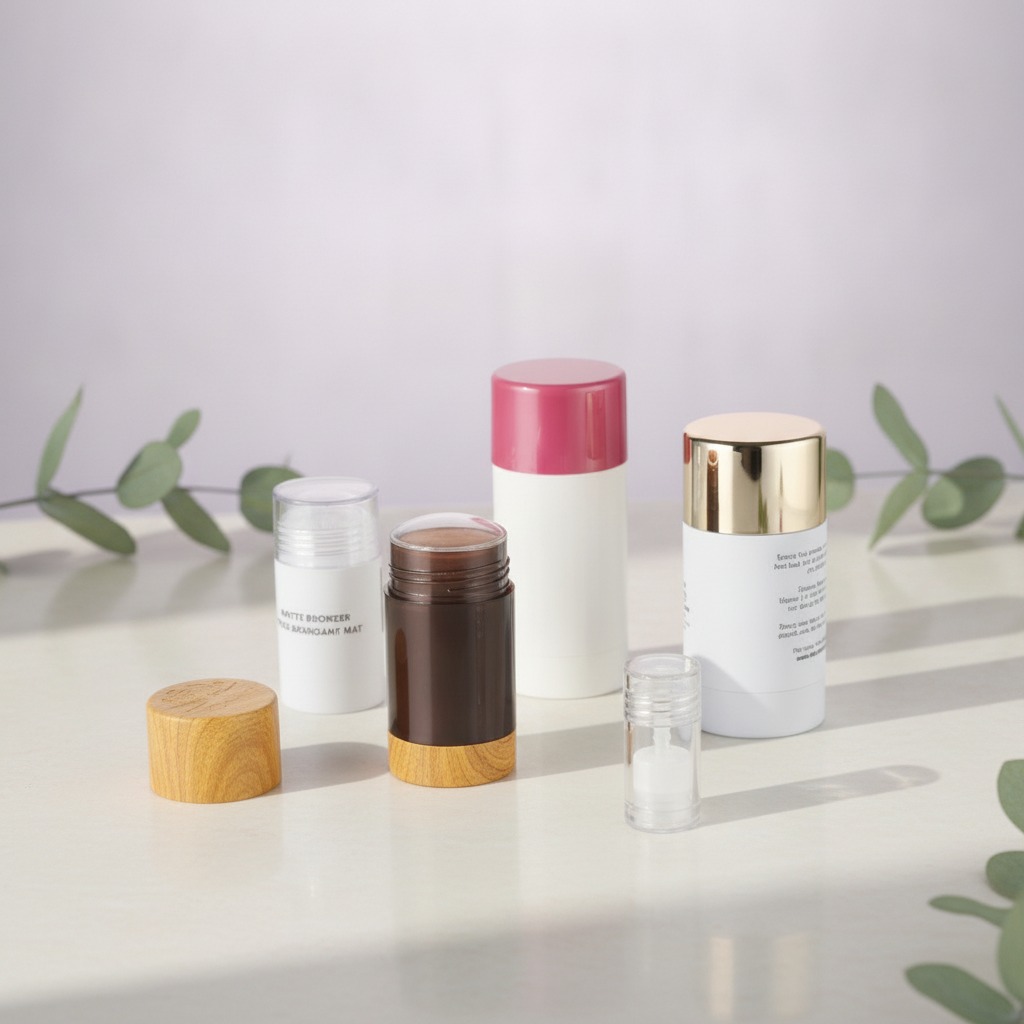
The presented cylindrical container series utilizes a straight-sided, flat-top, and flat-base geometry optimized for automated filling lines and stable consumer handling. Within the product lineup, several functional variations address distinct formulation types:
- Dispensing Formats: The straight-sided assembly supports advancing mechanics, notably practical as a twist-up deodorant container. The internal platform pushes the solid mass upward incrementally, giving users precise dosing control. While internal mechanism specifics depend on individual tooling requirements, the cylindrical geometry accommodates standard propelled cores.
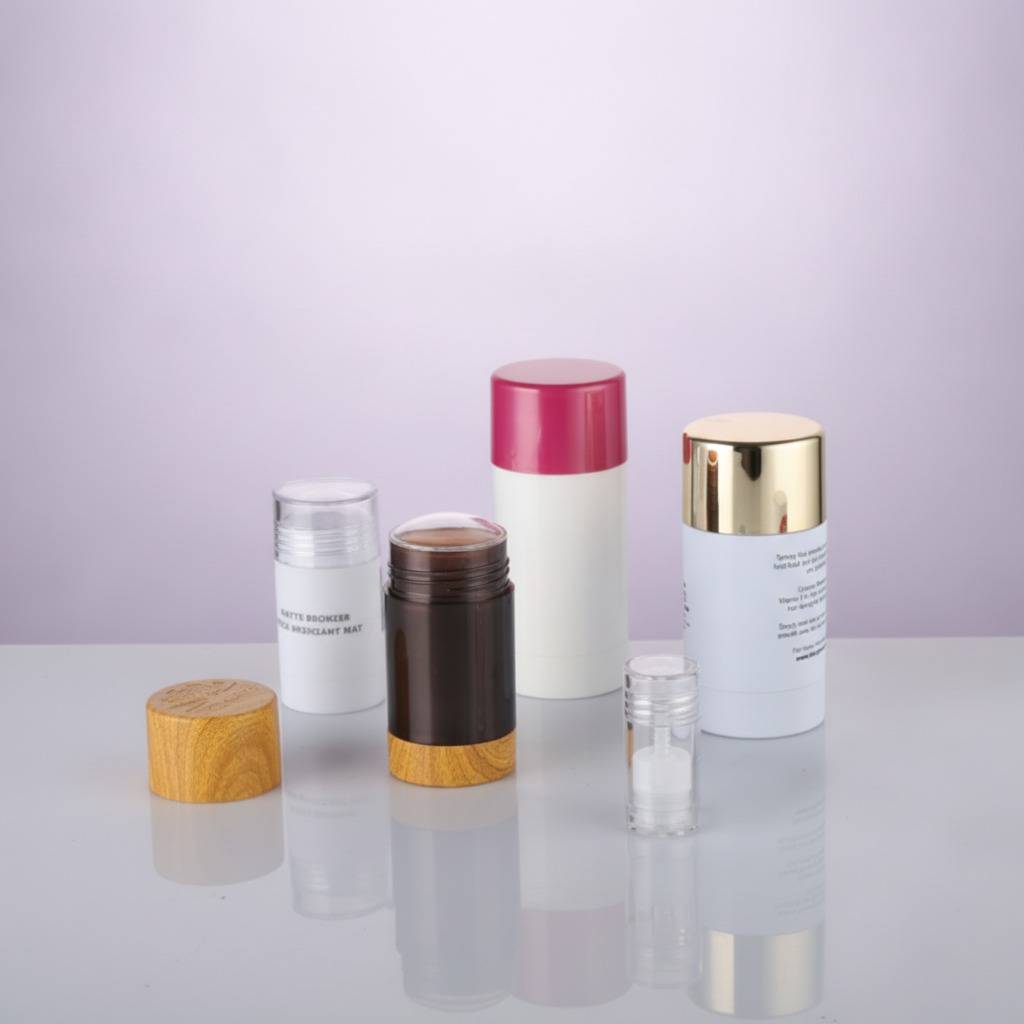
- Cap and Closure Configurations: Closures dictate both shelf life and shelf appearance. Options include flush snap-on translucent lids, threaded or friction-fit solid plastic caps, high-gloss metallic sleeves, and turned natural-grain wood caps.
- Component Variations: The system supports multiple proportions, from standard full-size personal care sticks down to miniature or sample-sized internal tubes, useful for travel sets or concentrated balm formulations.
Materials and Decorative Finish Options
Every brand positioning requires a complementary tactile and visual profile. As an established cosmetic stick packaging platform, this range incorporates varied substrates and surface treatments:
Polymer Foundations
The primary barrel can be engineered as an opaque white or semi-translucent plastic deodorant container. High-density polymers provide barrier resistance against oil and moisture migration, preventing the formulation from softening or leaching through the container walls during hot-fill or transit.
Accent Materials and Finishes
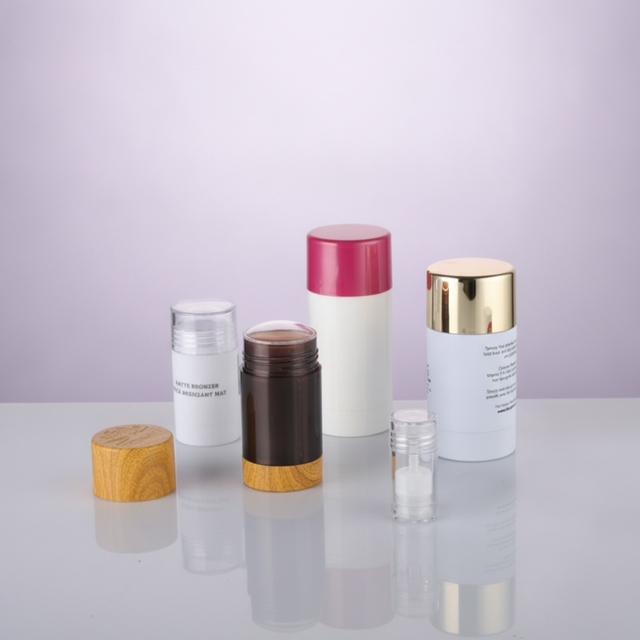
For brands targeting prestige or natural market segments, the exterior can be adapted with diverse materials. A glossy metallic-gold outer cap creates a reflective, upscale retail appearance through metallized coating or anodized sleeves. Conversely, real wood-grain caps and bases introduce an organic, tactile aesthetic that resonates with clean-label and botanical brands. Colored polymers, such as high-contrast magenta or deep amber-brown translucent cylinders, allow product lines to segment variants visually across retail shelves.
Manufacturing and Decoration Methods
Working alongside an experienced deodorant container manufacturer enables procurement teams to leverage standardized production steps with custom finishes:
- Injection Molding and Extrusion: Barrels, screw bases, and internal elevators are produced through precision injection molding to maintain tight concentric tolerances, preventing mechanism binding.
- Surface Decoration: Containers accommodate high-resolution black screen printing, direct offset printing, hot stamping, or roll-on labeling directly onto the cylindrical walls for regulatory text, logos, and usage instructions.
- Secondary Processing: Metallic-appearance caps undergo vacuum metallization or lacquering, while wooden accents are turned and sealed to withstand bathroom humidity.
Target Application Scenarios
While engineered primarily for body care, this platform serves broad empty cosmetic containers applications across personal care subcategories:
- Body Care: Ideal for private label deodorant packaging, body balms, and anti-friction sticks.
- Sun Care: High-SPF solid sunscreens requiring pocket-sized, touch-free direct application.
- Skincare and Color Cosmetics: Solid facial oils, cleansing balms, solid perfume balms, and cream blush sticks.
Quality Control and Filling Considerations
When selecting custom deodorant packaging, technical teams must validate several mechanical and chemical parameters prior to commercial runs:
- Top-Fill vs. Bottom-Fill Compatibility: Verify whether your filling line uses automated nozzles directly into the top barrel or relies on bottom-up assembly with inverted cooling molds.
- Thermal Tolerance: Hot-poured formulations require barrels capable of withstanding typical pour temperatures without warping or sidewall collapse during the cooling stage.
- Torque and Advancing Resistance: Twist-up mechanisms must maintain consistent rotational torque across diverse ambient temperatures, preventing the stick from retracting under application pressure.
- Closure Retention: Snug closure engagement ensures volatile carrier oils and moisture do not evaporate, preserving product glide over its intended shelf life.
Buyer Decision Factors for Commercial Sourcing
Procuring packaging at scale requires balancing brand identity against operational constraints. If your product range targets boutique retail, pairing natural wood components with opaque barrels creates instant visual distinction. For high-volume standard retail, mono-material plastic configurations or streamlined twist containers minimize per-unit costs and simplify recycling streams.
Engaging a dependable deodorant stick packaging supplier early in formulation development guarantees that barrel materials, thermal tolerances, and cap styles align with your contract filler's capabilities. Contact our technical sales team to request physical samples, review standard dimensions, and discuss custom decoration options for your upcoming product launch.