
Overview of Multi-Purpose Stick and Deodorant Packaging
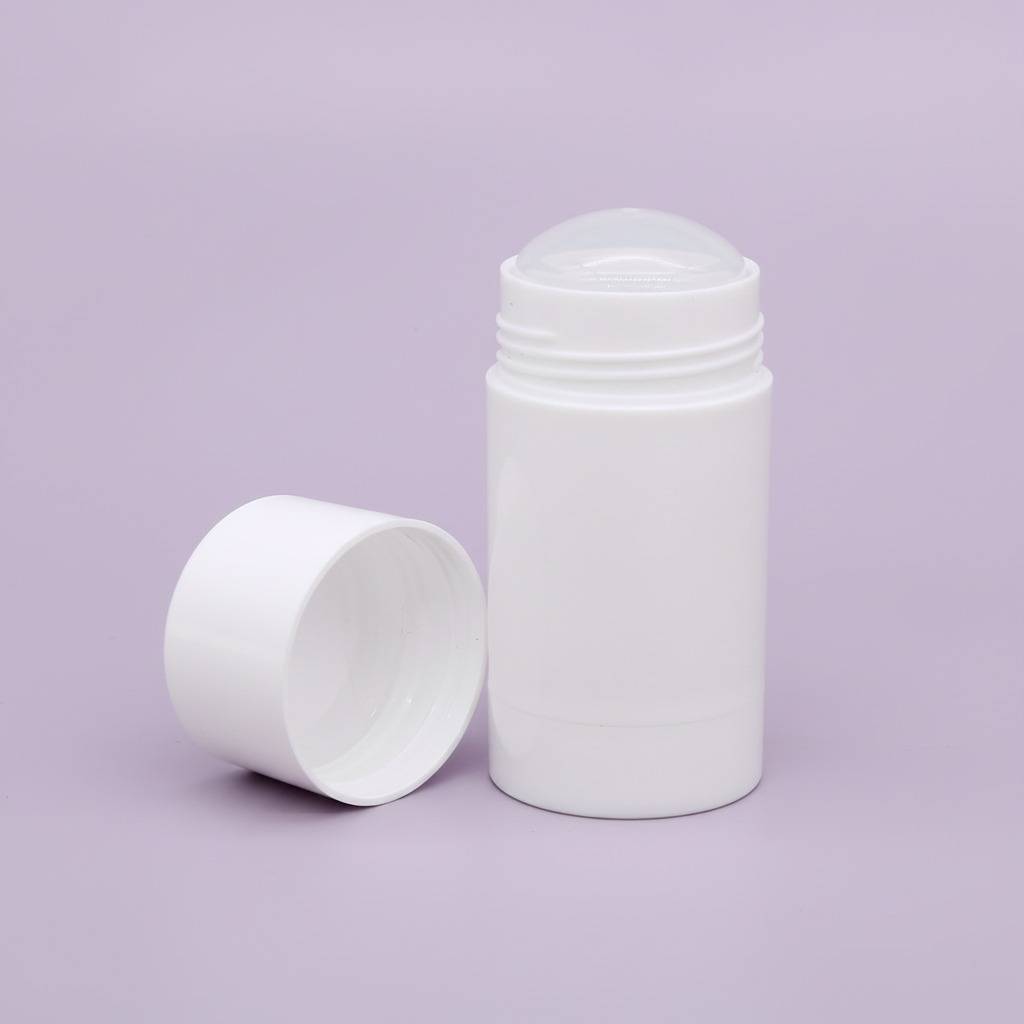
Solid formulation brands face persistent challenges regarding direct skin application, volatile moisture retention, and product portability. A well-engineered deodorant container solves these dispensing and stability hurdles by providing a self-contained, mess-free delivery vehicle that protects solid and semi-solid formulations from oxidation and physical contamination. While traditionally associated with underarm antiperspirants, this specific structural architecture has increasingly transitioned into broader personal care packaging, housing targeted facial masks, solid serums, sunsticks, and balms.
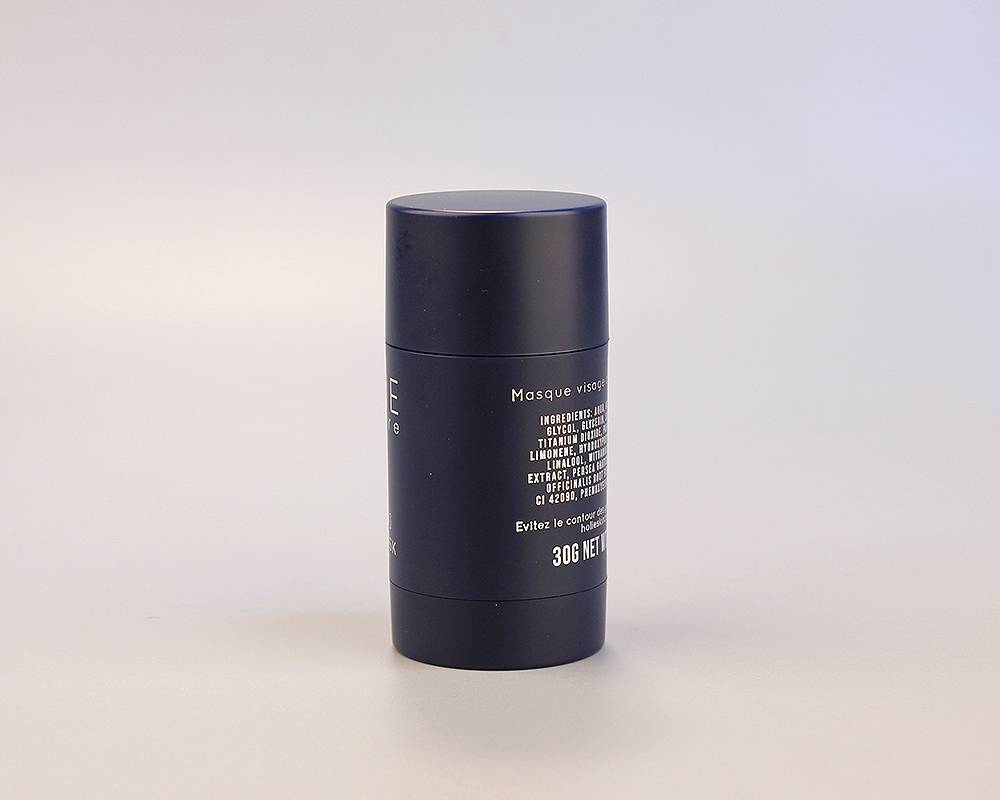
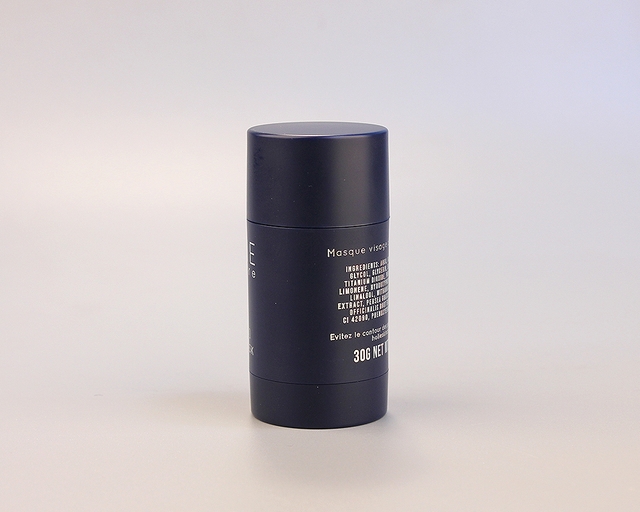
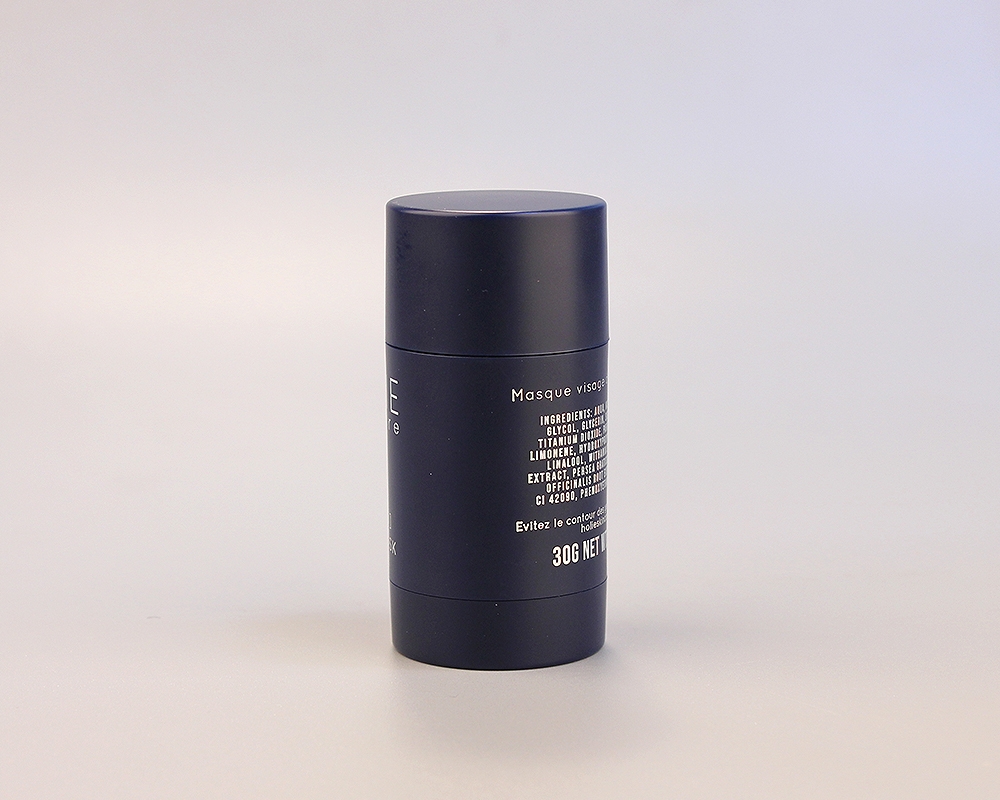
The featured packaging sample demonstrates a standard 30-gram (net weight) cylindrical format finished in an opaque, dark navy-to-black tone with a smooth matte-to-satin sheen. Designed for compact hand-held utility, the exterior reveals a three-part visible segmented construction consisting of a separate top closure, an intermediate container housing, and a lower base segment separated by distinct circumferential parting seams. The opaque wall construction acts as a barrier to ambient light, an essential asset for light-sensitive cosmetic ingredients, while maintaining a clean aesthetic via high-contrast white typographic printing.
Technical Specifications and Structural Geometry
Selecting the correct cosmetic deodorant container requires a clear understanding of mechanical fitment and dimensional metrics:
- Geometric Profile: Straight-sided, tall cylindrical profile with flat top and bottom planar boundaries.
- Capacity Rating: Exterior label confirms 30 g net fill volume, suitable for portable, travel-friendly formats.
- Assembly Architecture: Three-piece exterior assembly (protective overcap, primary barrel, bottom turning base).
- Dispensing Compatibility: The visual configuration typically accommodates a propel-repel screw spindle or push-up platform, although the specific internal mechanism remains unconfirmed on sealed visual inspection.
- Closure Type: Push-on friction fit protective overcap designed to shield the upper perimeter from impact and moisture loss.
Materials and Surface Treatment Options
Modern plastic deodorant container platforms generally rely on injection-molded thermoplastics selected for their structural rigidity, chemical compatibility, and dimensional stability. Polypropylene (PP), high-density polyethylene (HDPE), and acrylonitrile butadiene styrene (ABS) are standard industry resins for both the barrel and the internal elevator mechanisms. For brands prioritizing environmental governance, working with a deodorant container supplier enables integration of post-consumer recycled (PCR) plastics or mono-material structures, facilitating a recyclable deodorant container stream at end-of-life.
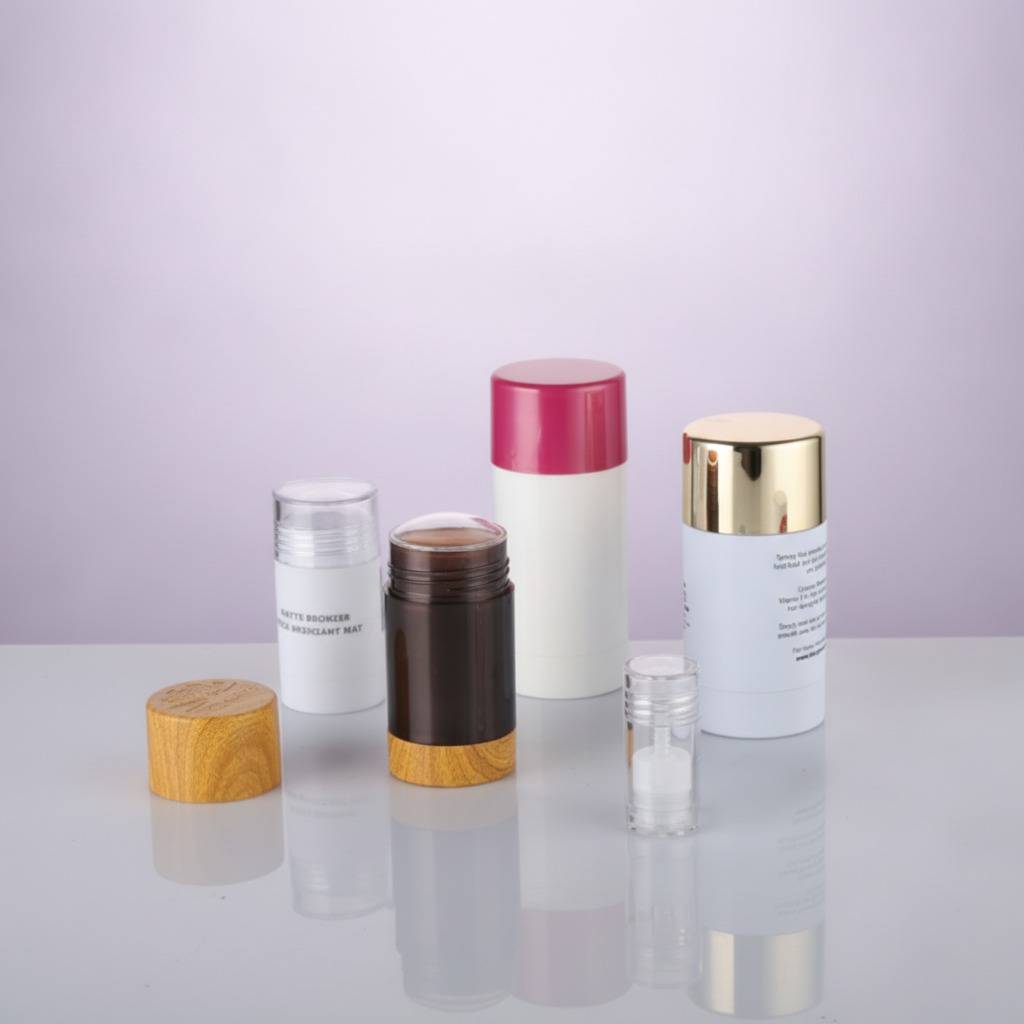
Surface aesthetics significantly influence shelf differentiation. The sample utilizes an opaque dark resin coupled with a tactile matte finish that minimizes visible handling marks and smudging. Brands can achieve this via mold texture cavities or secondary spray coatings. Graphic options for custom deodorant packaging range from automated direct silk-screen printing and pad printing—as demonstrated by the multi-line French ingredient panel and usage warnings—to hot foil stamping and pressure-sensitive roll labeling.
Manufacturing and Filling Processes
Precision injection molding governs the manufacturing cycle for any specialized deodorant stick container. Core toolsets create the internal threads, wall boundaries, and cap locking beads. Production typically follows these steps:
- Molding: High-cavitation injection molding of barrels, caps, bases, and internal screw mechanisms.
- Assembly: Insertion of the elevator screw and carrier platform into the lower barrel, followed by friction testing.
- Surface Decoration: Direct screen printing of warning text, brand assets, and batch codes on the cylindrical body.
- Filling: The packaging can be configured for either top-filling—where molten formulation cools within the package—or bottom-filling using specialized silicone or plastic shaping molds. Formulation viscosity and melting point dictate the filling line parameters.
Cross-Category Application Scenarios
Although an empty deodorant container is a foundational element for natural and conventional antiperspirants, multi-segment cylindrical packaging serves various functional personal care disciplines:
- Solid Facial Masks: Direct application of purifying or hydrating masks ("Masque visage"), enabling targeted zoning on facial skin without finger contact.
- Travel-Ready Deodorants: Compact 30-gram solid stick formats compliant with airline carry-on regulations.
- Solid Sunscreen and Moisturizing Balms: Rigid delivery platforms for anhydrous formulas, body butters, and targeted barrier sticks.
- Color Cosmetics and Primers: Swivel-action applicator solutions for solid color correcting or base skincare bars.
Quality Control Benchmarks and Buyer Decision Factors
A reliable deodorant packaging manufacturer implements rigorous testing before dispatching component runs. Crucial evaluation stages include:
- Torque and Actuation Smoothness: Verifying that the internal drive spindle advances and retracts the product mass uniformly without jamming or stripping plastic threads.
- Cap Retention Force: Ensuring the friction cap remains secure during shipping and handbag transit without requiring excessive pull force from the end user.
- Compatibility Testing: Direct exposure testing between bulk formulation and container plastic to prevent stress cracking, ingredient absorption, or container deformation.
- Thermal Stability: Verifying that shrinkage or dimensional variation does not induce leakage around base seams during hot-pour filling operations.
Customization and Technical Inquiries
Procuring the right packaging requires balancing formula behavior with production efficiency. When transitioning custom formulations into production, brand managers should evaluate shrinkage rates, volatile solvent content, and desired shelf aesthetics alongside minimum order quantities and tooling modifications.
Contact our technical engineering team to request sample runs, review resin options for a sustainable deodorant container transition, or discuss tooling compatibility for your product line.