
Cosmetic Tube Packaging for Creams, Gels, Lotions, and Sample Products
A cosmetic tube is a practical packaging format for brands that need controlled dispensing of viscous products such as creams, lotions, gels, and ointments. It helps solve a common buyer problem: protecting the formula while making it easy for the end user to squeeze out the right amount without mess. For skincare lines, travel kits, and sample programs, the right cosmetic packaging tube also supports branding, shelf presentation, and convenient carry size.
Product Overview
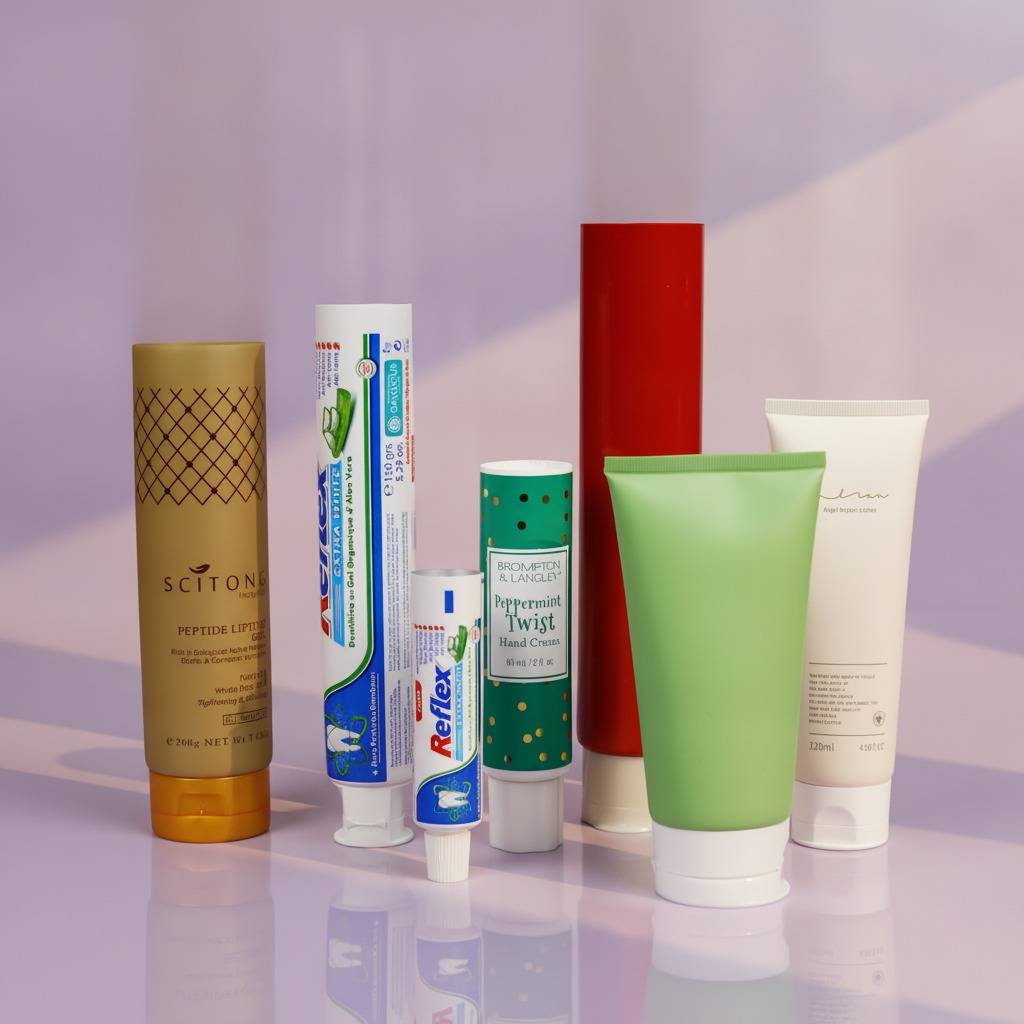
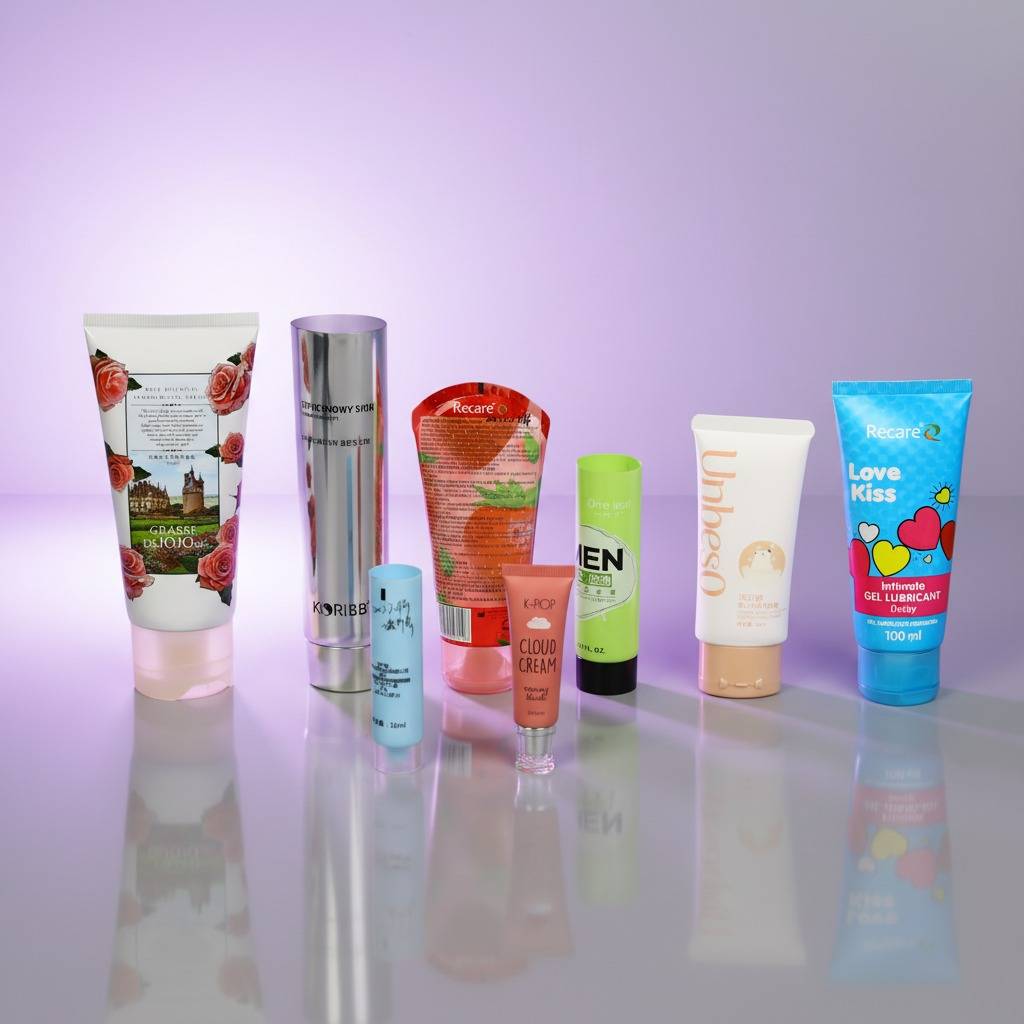
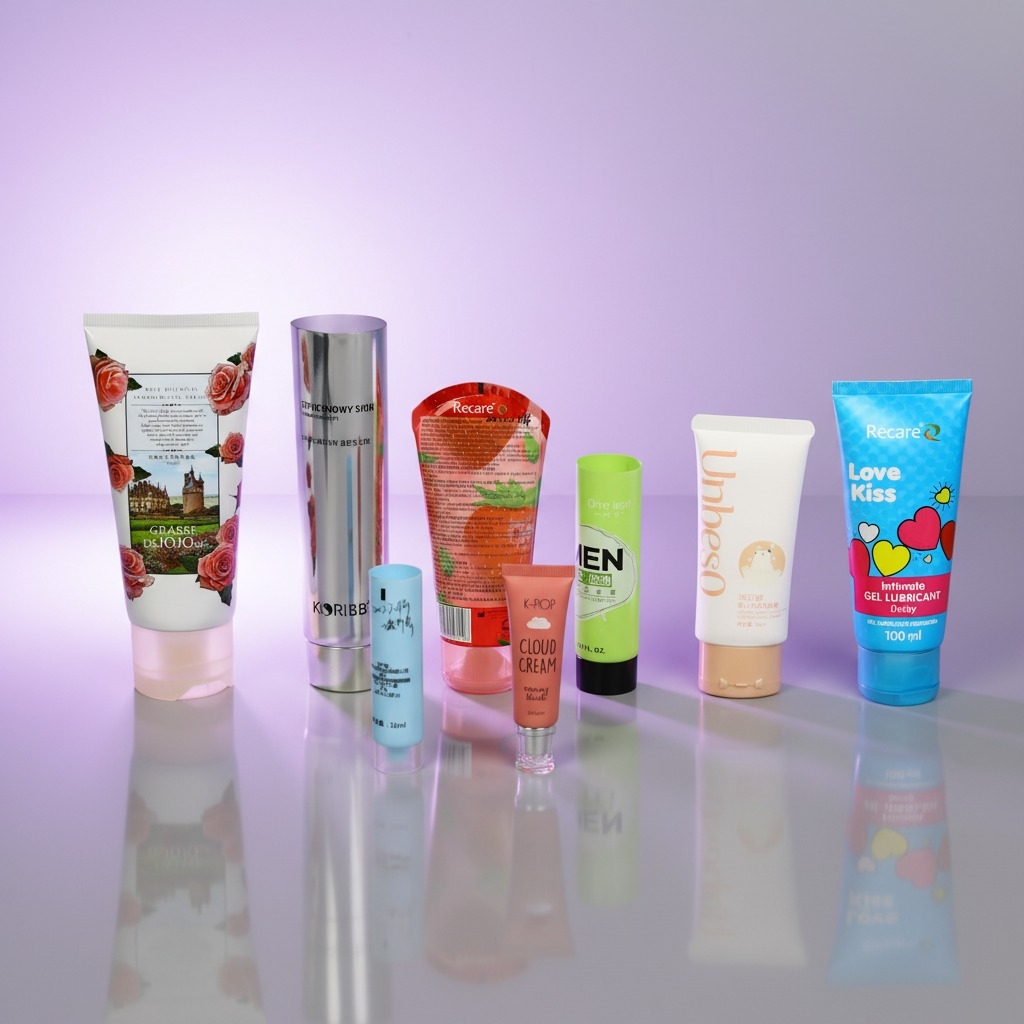
The tube formats shown here represent a range of personal-care packaging styles, from small sample-size containers to standard consumer tubes. The visible selection includes cylindrical plastic bodies, flat or rounded shoulders, threaded caps, flip-top closures, and stand-up bases. One tube is marked 100 ml, while a smaller tube is marked 10 ml, which shows how the format can scale from trial packs to retail packs. A metallic-looking silver tube is also visible, suggesting an alternative premium appearance for select product lines.
As a tube for cosmetic products, this packaging is suited to formulations that need repeat dispensing and a reasonably compact footprint. It is commonly used for skincare creams, body care items, cleansing products, and personal care gel formats. The same structure can also work for promotional packs, travel packs, and contract-filling projects.
Key Specifications and Capabilities
Visible structural features
The collection shows several practical packaging details buyers usually compare when selecting personal care tube packaging:
• Cylindrical tube body for squeeze dispensing
• Flat or rounded shoulder transition for closure fit
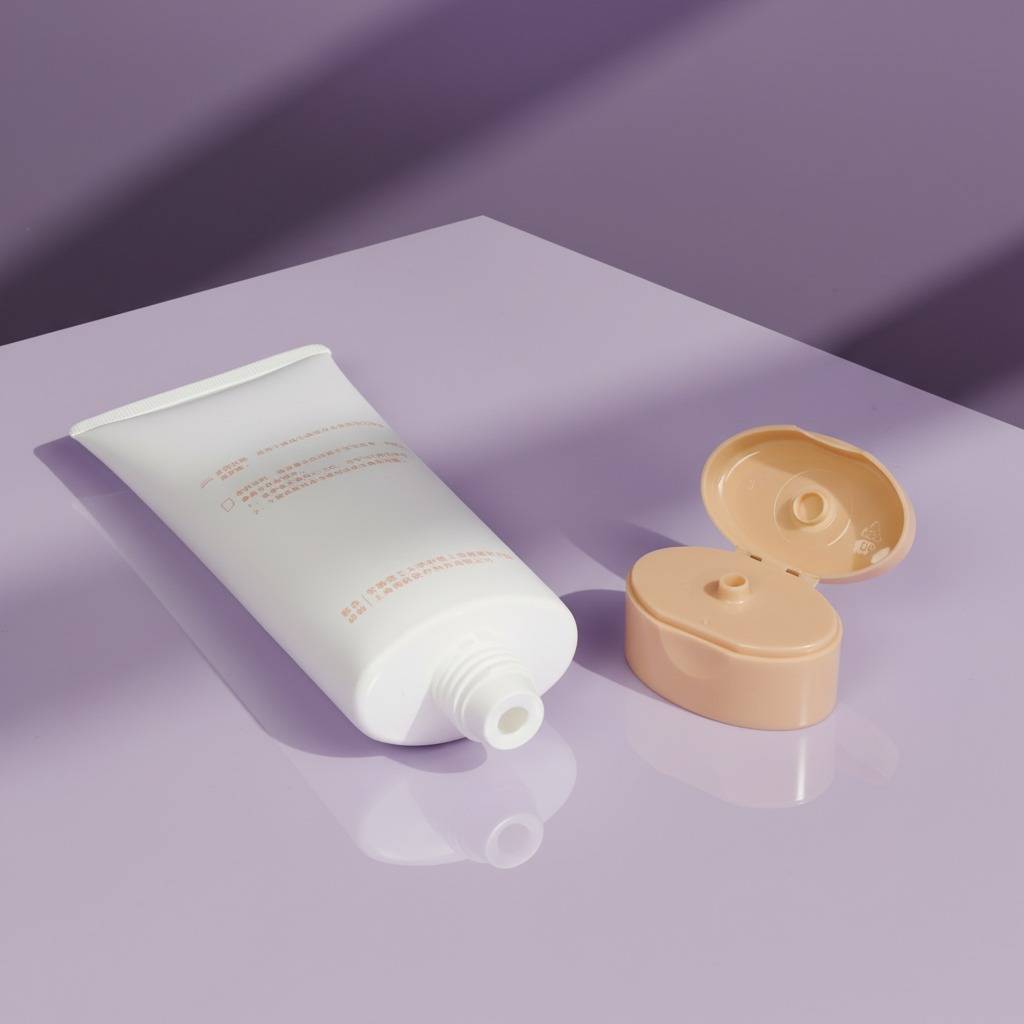
• Flip-top caps and threaded caps for different user preferences
• Stand-up base on some formats for retail display and storage stability
• Multiple printed finishes, including matte and glossy decoration
These features make the tube adaptable for different product categories and filling styles. A cosmetic squeeze tube is especially useful when the formula is thick, because users can control flow by applying hand pressure rather than opening a wide-mouth jar.
Materials and Finish Options
Based on the visible examples, most of the tubes appear to be plastic cosmetic tube formats with full-color graphic decoration. Exact resin type is not identified here, so material claims should be confirmed by the supplier before purchase. The silver tube may be aluminum or a metallized plastic laminate, but that construction cannot be verified from the image alone.
Finish options visible across the group include bright printed colors, brand graphics, and a reflective metallic look. For a cosmetic cream tube, these finishes matter because they influence both retail appeal and product positioning. Matte decoration can feel understated and clinical, while glossy printing and metallic surfaces often read as more premium or more promotional, depending on the design.
Manufacturing and Decoration Process
Typical cosmetic tube packaging production involves forming the tube body, adding the shoulder and closure system, then decorating the exterior with printed graphics. In many projects, the supplier may use extrusion for plastic tube bodies, followed by printing methods such as offset, screen, or digital decoration. The exact process depends on the chosen substrate and design complexity.
When a buyer sources an empty cosmetic tube, decoration details become important. Color registration, print clarity, and cap fit all affect how the finished pack performs on the shelf and during filling. If the tube is intended for contract manufacturing, the pack format should also be reviewed for line compatibility and label area size.
Application Scenarios
These tubes fit a broad range of beauty and personal-care uses. Brands often choose this format for facial creams, hand creams, body lotions, cleansers, and treatment products. A cosmetic ointment tube can also be appropriate for thicker semi-solid formulas that need hygienic dispensing. Smaller formats are useful for samples, travel retail, gift sets, and promotional campaigns where controlled volume matters.
For buyers building a range, the size variation shown here is useful. A 10 ml sample can support trial programs, while a 100 ml retail pack can serve as a standard shelf product. That flexibility is one reason cosmetic tube packaging remains common across skincare and personal care categories.
Quality Control Considerations
Before placing an order, buyers should confirm closure fit, print quality, tube dimensions, and compatibility with the intended formula. For filling projects, the pack should be tested with the actual product because viscosity, acidity, fragrance load, and oil content may affect packaging choice. Since leakage resistance and barrier performance are not confirmed here, those points should be requested directly from the supplier if they matter to your application.
For branded programs, inspect the printing consistency across the full batch. Color variation, text alignment, and surface scuff resistance are key checks for retail-facing packs. If a cosmetic squeeze tube will be used in travel or sample distribution, users will usually expect reliable cap closure and easy re-sealing after first use.
Customization Guidance for Buyers
When selecting a cosmetic tube, start with formula type, fill volume, and the desired customer experience. A thicker cream often works better in a softer squeeze body, while a lighter gel may need a different dispensing opening. Then confirm whether you need a flip-top closure, screw cap, or stand-up base.
Decoration options should match the brand position. A cosmetic packaging tube for premium skincare may benefit from restrained colors and metallic details, while a mass-market launch may prioritize bold graphics and clear product callouts. Buyers sourcing a plastic cosmetic tube should also define the artwork area early, because tube curvature can affect readability.
What to Compare Before Buying
Good buying decisions usually come down to five points: size range, material compatibility, decoration quality, cap style, and filling workflow. If your product line includes multiple SKUs, it may be helpful to standardize on one tube family and vary only the volume or printed graphics. That approach can simplify procurement and brand presentation at the same time.
If you are evaluating a cosmetic tube packaging supplier, ask for sample units, dimensional drawings, and confirmation of the exact substrate before moving to mass production. For a new launch, test the pack with your actual formula and check how it feels in hand during daily use.
Request the Right Tube for Your Project
If you need an empty cosmetic tube for creams, gels, lotions, sample packs, or retail personal care products, this format offers a flexible starting point. Share your target volume, closure preference, decoration requirements, and product type, and the packaging can be matched more accurately to your filling and branding needs.
For project planning, ask for size options, artwork guidance, and samples before final approval. That keeps the tube specification aligned with the formula, the production line, and the shelf presentation.