
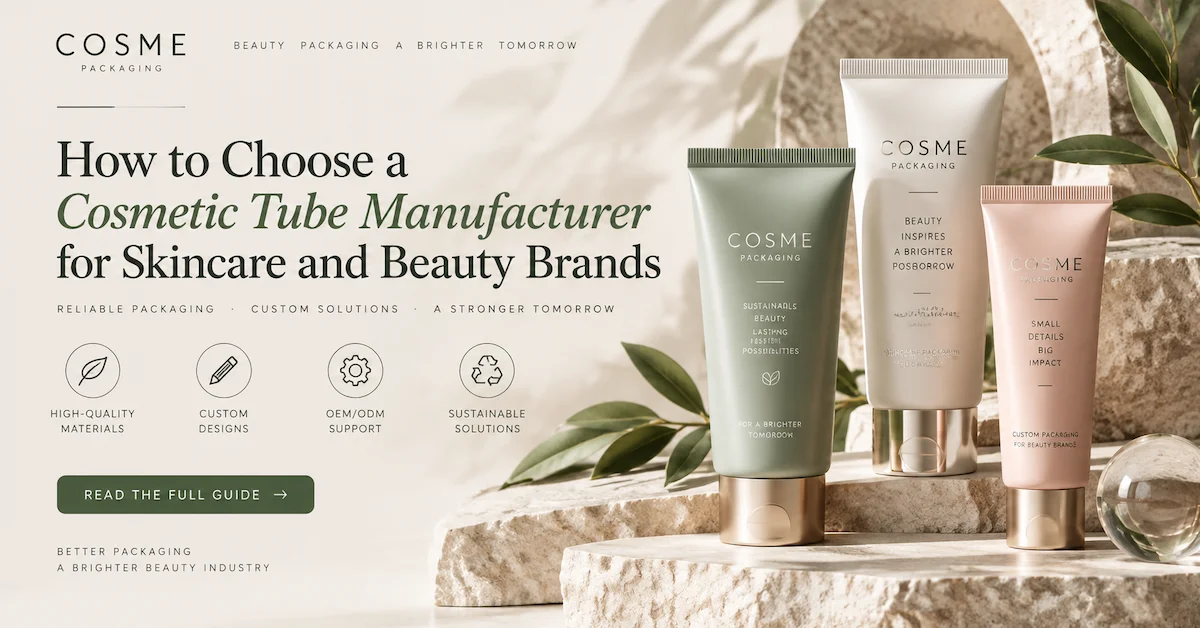
Why Choosing the Right Cosmetic Tube Manufacturer Matters for Beauty Brands
For skincare, personal care, and beauty brands, packaging is more than a container for holding products. It directly affects product protection, consumer experience, brand image, and supply reliability. Selecting the right cosmetic tube manufacturer allows companies to develop packaging solutions that match their formulas, market positioning, and long-term business goals.
When sourcing cosmetic tubes, many buyers initially focus on appearance and unit price. However, professional procurement teams usually evaluate a wider range of factors, including material compatibility, production capability, customization options, quality control systems, and supplier experience.
For example, a premium skincare brand developing anti-aging cream may require a tube with a sophisticated appearance, excellent sealing performance, and customized decoration. A sunscreen brand may prioritize durability, convenient dispensing, and large-scale production efficiency.
A qualified cosmetic tube manufacturer should provide complete support from packaging selection and design development to sampling, mass production, and quality inspection.
COSME Packaging specializes in customized cosmetic packaging solutions, including cosmetic tubes, bottles, jars, and sustainable packaging options. Buyers can explore different packaging categories through the company’s cosmetic packaging product portfolio.
What Is a Cosmetic Tube Manufacturer?
A cosmetic tube manufacturer specializes in designing and producing tube packaging solutions for skincare, cosmetics, and personal care products.
Compared with general packaging suppliers, professional cosmetic tube manufacturers need deeper knowledge of cosmetic applications because packaging must meet specific requirements, such as:
- Formula compatibility
- Product protection
- Controlled dispensing
- Filling line compatibility
- Brand customization requirements
- Stable mass production quality
Cosmetic tubes are widely used in the beauty industry because they provide practical advantages for both brands and consumers.
| Feature | Benefits for Beauty Brands |
|---|---|
| Lightweight structure | Reduces transportation costs and improves convenience |
| Flexible design | Supports different product categories and brand styles |
| Easy dispensing | Improves consumer usage experience |
| Custom decoration | Helps products stand out in competitive markets |
| Efficient production | Suitable for large-scale manufacturing |
For international buyers, selecting a direct manufacturer can provide better control over customization, communication efficiency, production scheduling, and quality consistency.
Who Should Work With a Cosmetic Tube Manufacturer?
Different buyer groups have different packaging requirements. Understanding the needs of each customer type helps brands choose the right supplier.
Skincare Brands
Skincare companies are one of the largest customer groups requiring cosmetic tube packaging.
Common applications include:
- Facial cleanser
- Moisturizer
- Sunscreen
- Hand cream
- Treatment cream
- Body lotion
These brands usually focus on:
- Packaging appearance
- Product protection
- User convenience
- Brand differentiation
- Supply stability
For skincare products containing active ingredients, packaging selection is especially important because the container needs to support product stability throughout its shelf life.
A professional supplier should understand how different packaging structures affect product performance and help brands choose suitable solutions.
Private Label Beauty Companies
Private label companies often require flexible packaging customization because they develop products under their own brands.
Typical requirements include:
- Custom tube designs
- Brand logo printing
- Color customization
- Packaging sets
- Different capacity options
For these customers, a cosmetic tube manufacturer should provide support beyond production, including design communication, sample development, and packaging optimization.
Cosmetic Product Manufacturers
Cosmetic OEM manufacturers and formulation companies usually purchase packaging in larger quantities.
Their main concerns include:
- Consistent quality
- Production capacity
- Cost control
- Delivery reliability
- Technical support
These buyers usually prefer suppliers with integrated manufacturing capability because stable production helps reduce supply chain risks.
Common Applications of Cosmetic Tube Packaging
Cosmetic tubes are widely used because they provide flexible packaging solutions for different beauty and personal care products.
Skincare Applications
Facial Cleanser Packaging
Facial cleansers are commonly packaged in cosmetic tubes because they require convenient dispensing and daily consumer use.
Benefits include:
- Easy squeezing
- Portable design
- Controlled product amount
- Good protection during transportation
Cream and Treatment Product Packaging
Cream-based products often require packaging that improves hygiene and user experience.
Typical applications include:
- Anti-aging cream
- Repair cream
- Eye cream
- Moisturizer
- Beauty treatment products
Cosmetic tubes help reduce direct contact between the formula and external environment, making them suitable for many skincare applications.
Sunscreen Packaging
Sunscreen products are frequently used outdoors and require packaging that is practical and durable.
Cosmetic tubes provide:
- Lightweight structure
- Easy carrying
- Convenient dispensing
- Flexible capacity options
Personal Care Applications
Besides skincare, cosmetic tubes are commonly used for:
- Hand cream
- Body lotion
- Hair treatment products
- Styling products
- Shaving products
Different applications may require different materials, tube structures, and decoration methods.
How to Select the Right Cosmetic Tube Manufacturer
Choosing a supplier requires evaluating manufacturing capability rather than only comparing prices.
A reliable supplier should provide suitable solutions based on product requirements, application scenarios, and brand positioning.
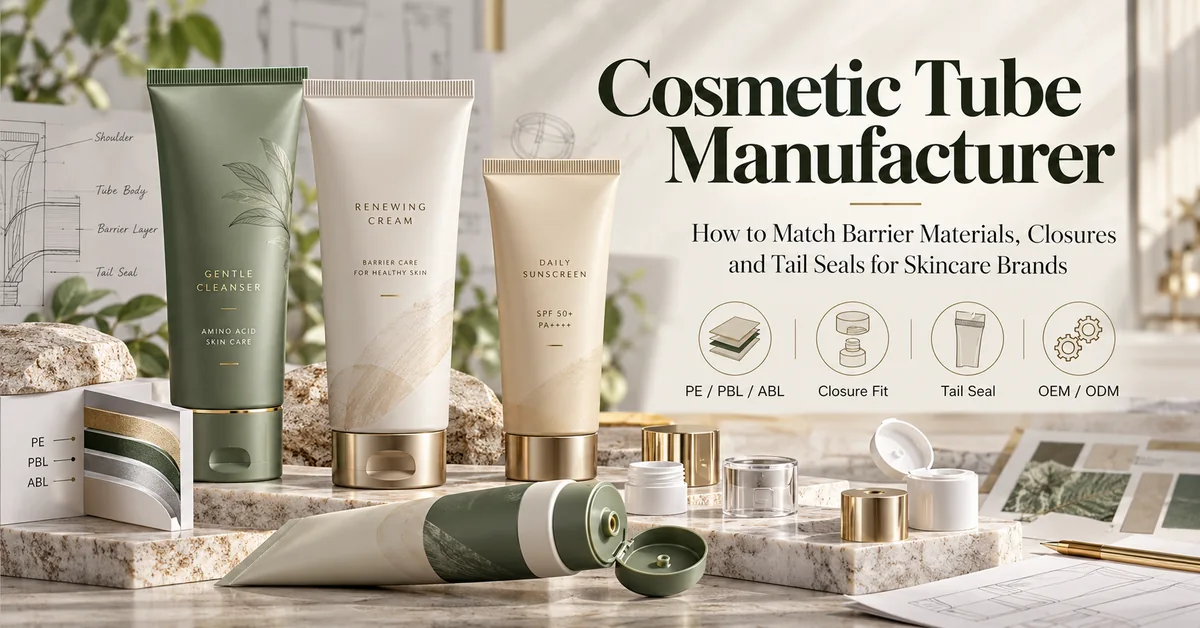
Evaluate Material Options
Different cosmetic formulas require different tube materials.
Common materials include:
| Material | Characteristics | Typical Applications |
|---|---|---|
| ON | Flexible and lightweight | Creams, lotions, daily care products |
| PP | Good chemical resistance | Various cosmetic applications |
| PCR | Supports sustainable packaging goals | Eco-friendly beauty products |
| PBL | Multilayer flexible structure | General cosmetic products |
| ABL | Enhanced barrier performance | Products requiring additional protection |
Material selection should consider:
- Formula characteristics
- Product shelf life
- Filling requirements
- Sustainability targets
- Market expectations
For example, brands focusing on environmentally responsible packaging may consider PCR solutions, while products requiring stronger protection may need multilayer structures.
Cosmetic Tube Manufacturing Process
A professional cosmetic tube manufacturer should have controlled production capabilities covering the entire manufacturing process.
Tube Extrusion and Forming
The tube production process begins with forming the basic tube structure.
Important production factors include:
- Tube thickness consistency
- Dimensional accuracy
- Surface quality
- Material stability
Stable manufacturing processes help ensure that every production batch maintains consistent performance.
Printing and Surface Decoration
Cosmetic packaging is an important part of brand communication. Professional manufacturers usually provide different decoration technologies.
Common methods include:
- Silk screen printing
- Offset printing
- Hot stamping
- Surface coating
- Custom finishing effects
These technologies allow brands to create packaging designs suitable for different market positions, from everyday personal care products to premium skincare collections.
Cosmetic Tube Customization Options for Beauty Brands
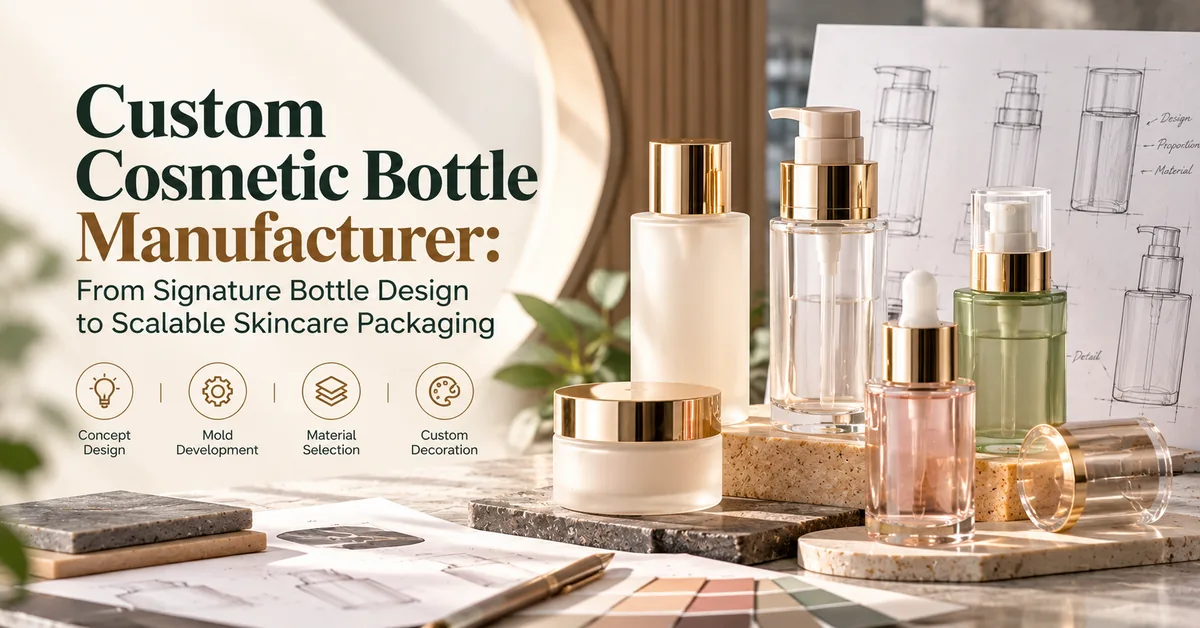
For international beauty brands, packaging customization is one of the most important factors when selecting a cosmetic packaging partner. A professional cosmetic tube manufacturer should not only provide standard tube products but also support customized solutions that help brands create differentiated products.
Customization allows companies to align packaging design with their brand identity, product positioning, and target market requirements.
Custom Tube Structure Development
Different products may require different tube structures based on formula characteristics and user experience.
Common customization options include:
- Tube capacity
- Tube diameter
- Shoulder design
- Opening size
- Cap style
- Tube shape
For example, a premium skincare brand may require a unique tube structure to create a high-end appearance, while a daily personal care product may focus on practical design and cost efficiency.
Color Matching and Surface Finishing
The visual appearance of cosmetic packaging directly influences consumer perception.
Professional manufacturers can provide:
- Pantone color matching
- Matte finishing
- Gloss finishing
- Metallic effects
- Frosted surfaces
- Special texture effects
These options help brands maintain consistent visual identity across multiple product lines.
Logo Printing and Brand Decoration
Cosmetic tube packaging can be customized with different decoration technologies, including:
- Silk screen printing
- Offset printing
- Hot stamping
- Pattern printing
- Custom surface treatments
These technologies allow brands to create packaging that communicates product positioning and improves shelf recognition.
COSME Packaging provides customized packaging development services for beauty brands, including cosmetic tubes, bottles, jars, and sustainable packaging solutions. Companies can discuss specific requirements through the contact page.
OEM Cosmetic Tube Manufacturing Process
Many beauty companies choose OEM packaging solutions because they need customized products without building their own packaging manufacturing facilities.
A complete OEM cosmetic tube development process usually includes several important stages.
Requirement Analysis and Packaging Recommendation
The first step is understanding the customer’s product requirements.
Manufacturers usually evaluate:
- Product category
- Formula characteristics
- Tube capacity
- Material requirements
- Decoration needs
- Target market
Based on these requirements, suppliers can recommend suitable packaging structures and materials.
Design Development and Prototype Creation
After confirming the packaging direction, manufacturers develop samples for evaluation.
This stage may include:
- Structural design
- Appearance confirmation
- Material selection
- Decoration testing
- Sample production
Sample approval allows brands to verify packaging performance before entering mass production.
Mass Production Management
After sample confirmation, production begins.
A professional manufacturing process includes:
- Raw material preparation
- Tube forming
- Printing and decoration
- Assembly
- Quality inspection
- Packaging and shipment
Manufacturers with integrated production capability can better control production consistency and delivery schedules.
COSME Packaging introduces its manufacturing capabilities and company background through the About Us page, where buyers can learn more about its packaging development and production approach.
Quality Control Requirements for Cosmetic Tube Packaging
Quality control is one of the most important considerations when sourcing cosmetic packaging internationally.
A reliable cosmetic tube manufacturer should have inspection procedures throughout the production process.
Incoming Material Inspection
Before production starts, manufacturers should check raw materials to ensure:
- Material specifications
- Color consistency
- Physical properties
- Supplier material quality
Correct material selection helps prevent packaging compatibility issues.
Production Process Inspection
During manufacturing, quality inspections usually focus on:
| Inspection Item | Purpose |
|---|---|
| Tube dimensions | Ensure size consistency |
| Surface quality | Prevent scratches and defects |
| Printing accuracy | Maintain brand appearance |
| Component matching | Ensure proper assembly |
| Color consistency | Keep product appearance uniform |
Finished Product Testing
Before shipment, finished packaging should be inspected to reduce potential risks.
Common testing includes:
| Testing Method | Purpose |
|---|---|
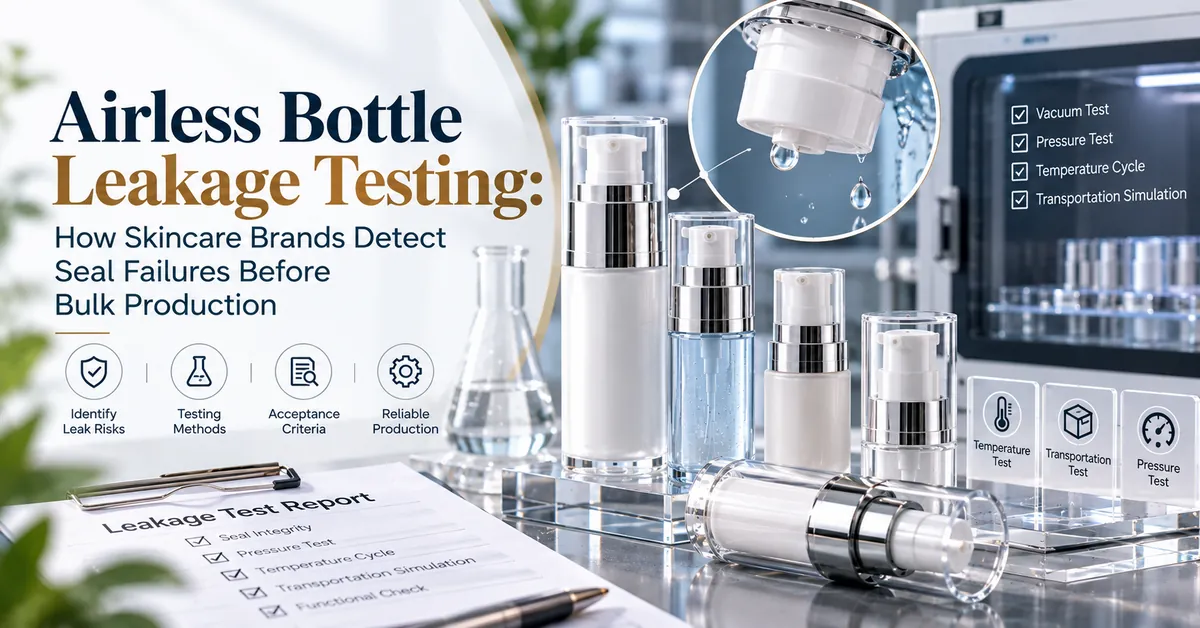
| Leakage testing | Verify packaging sealing performance |
| Appearance inspection | Ensure visual quality |
| Printing adhesion testing | Confirm decoration durability |
| Assembly testing | Check cap and tube compatibility |
For beauty brands, effective quality control helps reduce risks such as packaging failures, customer complaints, and delayed product launches.
How to Compare Different Cosmetic Tube Manufacturers
When comparing suppliers, buyers should evaluate overall capability instead of focusing only on the lowest quotation.
| Evaluation Factor | Basic Supplier | Professional Cosmetic Tube Manufacturer |
|---|---|---|
| Industry knowledge | Provides standard packaging | Understands cosmetic applications |
| Material support | Limited choices | Offers multiple material solutions |
| Customization | Basic options | Supports structure and decoration customization |
| OEM capability | Limited service | Complete development support |
| Quality management | Basic inspection | Production and finished product inspection |
| Long-term cooperation | Product transaction focus | Packaging solution partnership |
For international brands, choosing a supplier with strong manufacturing capability can improve project efficiency and reduce sourcing risks.
Sustainable Cosmetic Tube Packaging Solutions
Sustainability has become an important consideration for many beauty brands. More companies are looking for packaging solutions that reduce environmental impact while maintaining product performance.
PCR Cosmetic Tubes
PCR (Post-Consumer Recycled) materials are increasingly used by brands seeking sustainable packaging options.
Potential advantages include:
- Supporting recycled material usage
- Improving environmental positioning
- Meeting sustainability goals
Lightweight Cosmetic Tube Design
Optimizing packaging structure can help brands:
- Reduce unnecessary material usage
- Lower transportation impact
- Improve packaging efficiency
Sustainable Material Selection
When selecting sustainable cosmetic tubes, buyers should consider:
- Product compatibility
- Recycling requirements
- Market regulations
- Brand sustainability strategy
A professional supplier should help brands balance environmental goals with packaging performance.
COSME Packaging provides information about different packaging solutions and industry applications through its white papers and technical resources.
Cosmetic Tube vs Other Cosmetic Packaging Options
Different products require different packaging structures. The best choice depends on product characteristics, consumer usage, and brand positioning.
| Packaging Type | Advantages | Suitable Applications |
|---|---|---|
| Cosmetic Tube | Flexible, lightweight, easy dispensing | Cream, cleanser, sunscreen, lotion |
| Cosmetic Bottle | Multiple dispensing options and professional appearance | Serums, toners, lotions |
| Cosmetic Jar | Wide opening and premium appearance | Cream, mask, balm |
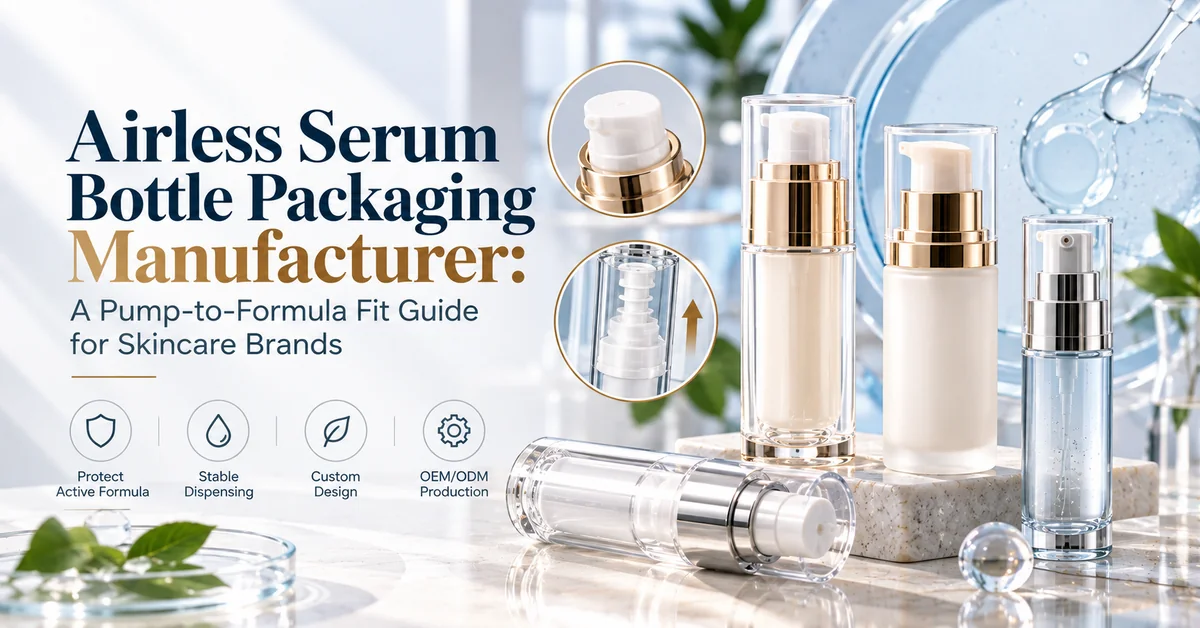
| Airless Packaging | Improved protection for sensitive formulas | Serum, anti-aging products |
Cosmetic tubes remain a popular choice because they combine convenience, customization flexibility, and production efficiency.
Questions Buyers Should Ask Before Selecting a Cosmetic Tube Manufacturer
Before placing an order, buyers should evaluate supplier capability through several important questions.
Can the manufacturer recommend suitable materials?
A professional supplier should help buyers select materials based on formula type, product application, and sustainability requirements.
Can the supplier provide customized cosmetic tubes?
Important customization areas include:
- Tube shape
- Capacity
- Color
- Printing
- Surface finishing
- Cap design
What is the MOQ for cosmetic tube production?
MOQ depends on:
- Tube structure
- Material selection
- Printing requirements
- Production process
Buyers should confirm MOQ requirements during the quotation stage.
How long does cosmetic tube production take?
Production time depends on:
- Product complexity
- Customization requirements
- Sample approval
- Order quantity
Can the manufacturer support OEM projects?
OEM support may include:
- Packaging consultation
- Design development
- Sample production
- Mass manufacturing
- Quality inspection
Frequently Asked Questions About Cosmetic Tube Manufacturers
What products can use cosmetic tube packaging?
Cosmetic tubes are commonly used for facial cleanser, sunscreen, moisturizer, hand cream, body lotion, hair care products, and other personal care products.
How do I choose a reliable cosmetic tube manufacturer?
Buyers should evaluate manufacturing capability, customization options, material choices, quality control systems, and experience serving international markets.
What materials are commonly used for cosmetic tubes?
Common materials include PE, PP, PCR, PBL, and ABL structures. The suitable material depends on product requirements and packaging goals.
Can cosmetic tubes be customized with a brand logo?
Yes. Professional manufacturers usually support logo printing, color customization, surface decoration, and customized structures.
Are cosmetic tubes suitable for premium skincare brands?
Yes. With advanced decoration options and customized designs, cosmetic tubes can support both premium and everyday skincare products.
What is the difference between PBL and ABL cosmetic tubes?
PBL and ABL are different multilayer tube structures. The choice depends on product protection requirements and formula characteristics.
Can cosmetic tube manufacturers provide sustainable packaging?
Many manufacturers provide options such as PCR materials and lightweight packaging designs to support sustainable product strategies.
What information should buyers provide when requesting a quotation?
Buyers should provide:
- Product category
- Tube capacity
- Material requirements
- Decoration requirements
- Expected quantity
- Target market
Why work directly with a cosmetic tube manufacturer?
Direct cooperation can improve communication efficiency, customization flexibility, production visibility, and quality control.
How can brands start a cosmetic tube packaging project?
Brands can share product information, packaging requirements, and customization expectations with a manufacturer to receive suitable recommendations.
Conclusion
Selecting the right cosmetic tube manufacturer is essential for skincare and beauty brands that need reliable packaging performance, flexible customization, and stable long-term supply support. A professional packaging partner should provide not only cosmetic tube production but also material recommendations, structural design support, OEM development, quality control, and sustainable packaging solutions.
By evaluating factors such as tube materials, manufacturing capability, customization options, production processes, and supplier reliability, brands can reduce packaging development risks and create solutions that match their product positioning and market requirements.
COSME Packaging provides customized cosmetic packaging solutions for global beauty brands, including cosmetic tubes, bottles, jars, and sustainable packaging options. Whether you are developing a new skincare product, expanding an existing product line, or looking for an OEM packaging partner, you can explore the available solutions through our cosmetic packaging products or contact our team through the contact page to discuss your packaging requirements.